Maputo, Mar. 2, 2026 (Lusa) - Companies in the Beluluane Industrial Park, the largest in Mozambique, are taking stock of their situation, as around 40% of industries provide services to Mozal, Africa's largest smelter, which is suspending operations on 15 March.
The imminent shutdown of Mozal, Mozambique's largest industry and home to over 1,000 direct and 4,000 indirect employees, casts uncertainty over neighbouring companies within the park, 20 kilometres from Maputo, such as Dendustri.
Founded in 2008, it plans to close down if the “catastrophe” is confirmed, after investing US$12 million (€10 million), leaving almost 50 people unemployed.
"Mozal accounts for 95% of our income, of our business. Basically, Dendustri is here to serve Mozal. We created another unit that we thought could diversify our risk, which is TLC precision technology, but we had a bit of bad luck in that area because the market is very low at the moment and there is little demand for that type of work," Mohamad Aboubakar, Dendustri's representative in Mozambique, told Lusa.
With Mozal in the background, where trucks loaded with aluminium continue to leave, at least for now, Dendustri continues to produce anode rods for the neighbouring aluminium smelter. Like so many others in that park, it can see no other option than to close its doors if Mozal suspends operations on 15 March, as announced by the industry, due to the dispute over electricity tariffs.
According to data from last August from MozParks, which manages the park and has grown to provide services to the smelter, the dependence of local industries on services provided to Mozal has fallen. At that time, about 60% of these were no longer providing services to Mozal. In total, more than 60 companies operate there, employing 12,000 people, of whom 8,000 are no longer supplied by Mozal.
In that park, as Lusa found, concern is widespread, and several companies are counting on closures, as Mozal is their only customer for all types of services, but especially heavy industry.
Business owners prefer to remain silent, waiting to see the implementation of the suspension and conservation regime at Mozal, even though the smelter itself is moving forward with collective layoffs.
At Dendustri, the closure of Mozal is seen not just as a simple shutdown but as a “catastrophic scenario” for the country's economy and for the 48 employees who finish products for the neighbouring smelter.
“The impact of Mozal's closure is devastating and catastrophic because it will mean that we will also have to close the company or, at least, maintain the same system as Mozal, which is the conservation regime,” he explains, pointing out that this impact will not only be felt in the industrial sector.
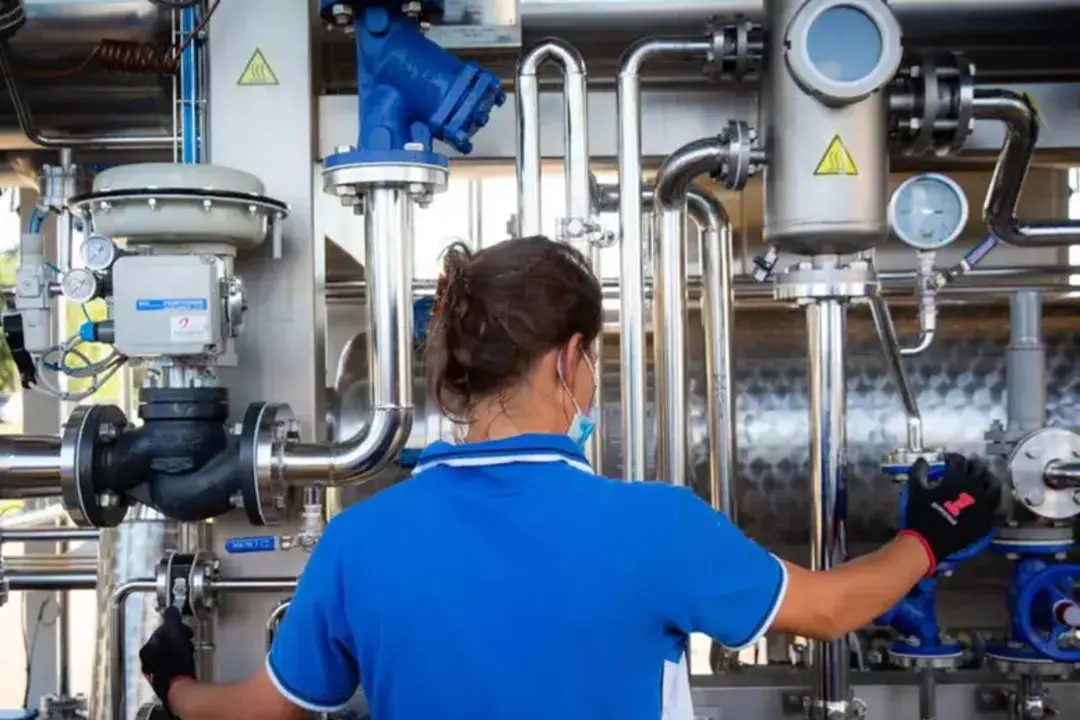
With the machines still welding in the warehouses, while the company strives to provide what may be the last services to Mozambique's largest industry, Mohamad acknowledges that Dendustri is still trying to find alternatives to minimise the impact of this closure, which is the topic of conversation on every corner, on every street in the park.
Dendustri is relying on the expectation of a domestic market that still requires significant industry input, while recognising that these alternatives have been somewhat difficult to realise due to weak demand and Mozambique's economic difficulties.
For Dendustri workers, along with several other neighbours, the future is uncertain, marked only by the hope of a change in Australia's South32's decision regarding Mozal.
"What we are doing is a decision based on what Mozal has also brought us, which is to carry out collective redundancies in accordance with the law and with everything that workers are entitled to. That is exactly what we are already doing. We have already contacted the unions and the Ministry of Labour, and unfortunately it is beyond our control. We will have to do this because keeping the workers means destroying the company. So, at this point, we have to do this while we are still in a position to compensate the workers," he said.
In addition to the imminent risk of mass layoffs, Aboubakar, who brought that industry and other companies to the Beluluane Industrial Park, points out that Mozal's departure will also reduce the national tax burden and the volume of taxes companies pay to the state, thereby reducing companies' own income.
“In the long term, this could have very serious consequences. Mozal was one of the first megaprojects, and the impact is visible. So, we have a new area that has been created, which is Beleluane, we have the Maputo corridor, which was also created because of Mozal,” he emphasised.
Mozal already moved forward in February with the collective dismissal process as part of the suspension of activities in March, according to a communication to the smelter's union committee.
South32 also said in February that it would suspend aluminium smelting operations on 15 March, switching to maintenance and conservation mode “due to the impossibility of guaranteeing a sufficient and affordable supply of electricity,” despite the government's announced attempts to overcome the dispute over energy tariffs.
Mozal purchases almost half of the energy produced in Mozambique, mainly from the Cahora Bassa Hydroelectric Plant (HCB), and on 18 August, the president of Mozambique, Daniel Chapo, stated that the energy tariffs proposed by Mozal would lead to the collapse of the hydroelectric plant.
For its part, South32 acknowledged its willingness to pay more for energy supplies in view of the contract ending on 15 March, but said that the tariffs proposed by Mozambique are “well above” the rates charged to other smelters, which require high energy consumption in other countries, making the suspension of Mozal's activity irreversible.
LCE/ADB // ADB.
Lusa