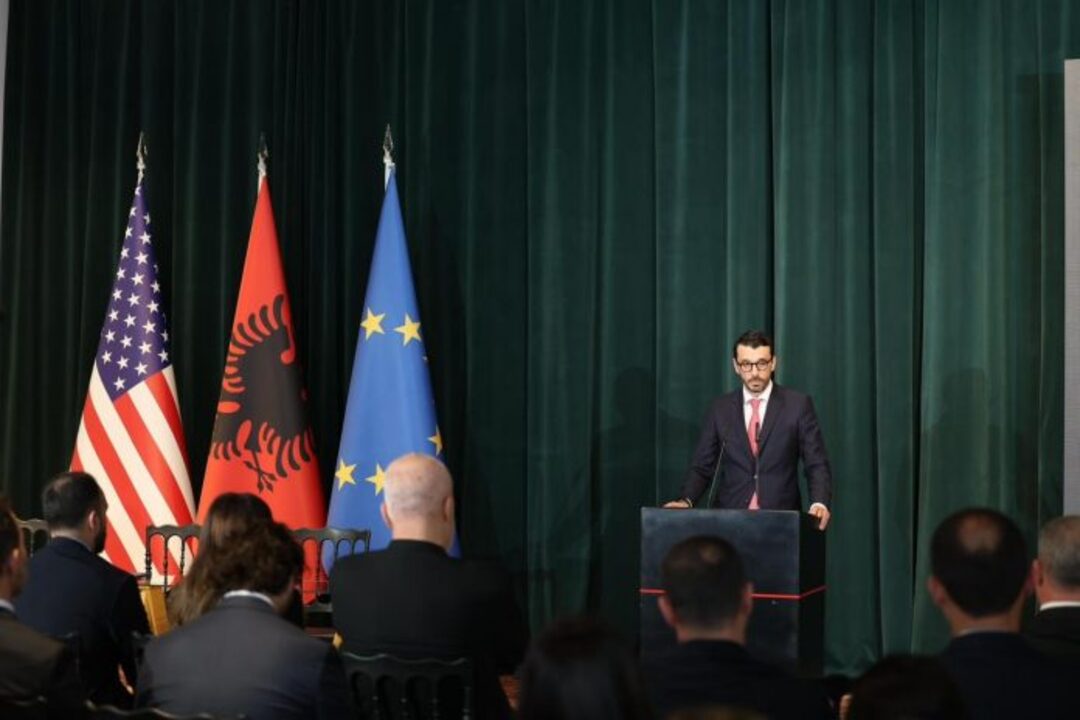
EU Ministers, responsible for maritime affairs, signed on Wednesday in Nicosia the "Lefkosia Declaration", that sets out a comprehensive framework focused on enhancing seafarers’ education and training and promoting the equal participation of women in the shipping industry, structured around seven key thematic areas.
According to an official press release, the Declaration highlights the need to enhance the visibility and attractiveness of maritime careers in order to secure a skilled and future-ready workforce.
It also encourages coordinated awareness campaigns across educational levels, as well as stronger partnerships between public authorities, maritime academies, industry stakeholders, and youth organizations. These efforts, it adds, aim to facilitate career guidance, apprenticeships, and early exposure to maritime professions, while emphasizing the sector’s strategic importance to Europe’s economy, sustainability, and competitiveness.
In addition, a strong commitment is reaffirmed to safeguard the rights, well-being, and fair treatment of seafarers, particularly in light of emerging challenges such as digital transformation, geopolitical risks, and criminal activities.
The Declaration stresses the importance of maintaining fair working conditions, preventing their deterioration, and supporting sustainable career pathways, including transitions from sea-going to shore-based roles.
Regarding Training, Digitalization and Cybersecurity, the Declaration touches upon, the need to equip seafarers with skills relevant to digitalization, automation, and advanced maritime technologies. Furthermore, the Declaration calls for targeted training initiatives to develop digital and green competencies, while also emphasizing the importance of cybersecurity, data protection, and information sharing to enhance maritime resilience and operational safety.
Furthermore, the Declaration emphasizes enhancing seafarers’ education and training through the modernization and international harmonization of the STCW framework, ensuring it reflects evolving requirements such as digitalization, cybersecurity, alternative fuels, and safe working environments, free from violence and harassment.
It also highlights the need for sufficient onboard training opportunities for cadets and promotes the use of e-certification and simulation-based learning. Closer cooperation with industry and flexible funding mechanisms are encouraged to support effective and future-proof training systems, it notes.
The Declaration acknowledges the significant underrepresentation of women in maritime professions, particularly at sea, and calls for targeted actions to address this gap and promotes inclusive and safe working environments, free from discrimination and harassment, and supports initiatives such as mentoring, networking, and leadership development to increase women’s participation and advancement in the sector.
In addition, the importance of continuous and inclusive social dialogue between social partners, ECSA and ETF, and seafarers is emphasized as a key element for managing the sector’s digital and green transitions. Effective dialogue is recognised as essential for improving working conditions, addressing challenges such as harassment, and ensuring a sustainable and attractive maritime workforce, it says.
Concluding, the Declaration calls on the European Union to actively support a fair and sustainable transition of the maritime sector and this includes reinforcing employment opportunities, investing in education and skills development, and promoting social dialogue, while ensuring that the welfare and interests of seafarers remain central to all policy actions.
CNA/AAR/EPH/2026
ENDS, CYPRUS NEWS AGENCY