Porto, Portugal, Feb. 12, 2026 (Lusa) - The Portuguese minister of state and foreign affairs has said that the situation facing the country after the recent storms is serious, with fatalities and displaced persons, affecting all economic sectors, but downplayed its impact on the country's image abroad.
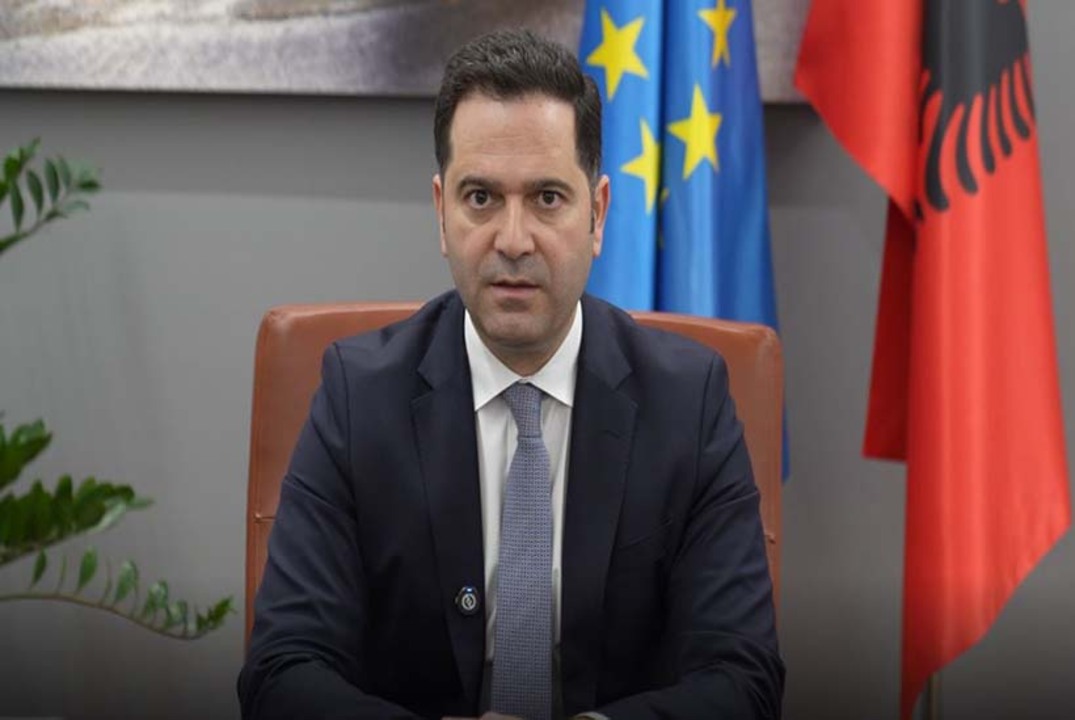
On the sidelines of the 35th National Congress of the Portuguese Hotel Association, taking place in Porto on Wednesday, when asked whether this situation could become an added challenge for the tourism sector in the future, Paulo Rangel denied it.
"No. (...) In a disaster of this magnitude, which has already caused many fatalities and left tens of thousands of families - for one reason or another - still in a very difficult situation, it obviously affects the whole country. That is, all its sectors. Now, honestly, I also think that it is one thing to be prepared for exceptional events, but it is quite another to think that they will become the norm," he told journalists.
"I don't think we should take that view (...). This affects all sectors, agriculture, industry, services, people's simple daily lives. Obviously, it is a negative thing, but I don't think it has a negative impact on the country's image," he stressed.
With the situation worsening on Wednesday afternoon in some places with the bursting of river dykes, the minister pointed out that it is too early to take stock.
"We are in the midst of an ongoing crisis. First, we must all be very vigilant and follow all the instructions from the authorities. This is a serious moment (...)", he added.
Paulo Rangel also pointed to the government's response in launching support lines, with funds "made available on Wednesday".
"Payments have already begun. Today, many people are already receiving them, within 15 days. (...) I see so much criticism and I don't see people looking at something that is essential, which is a quick response," he lamented.
But, "obviously, while we have floods throughout the country, some of them with very serious risks, we are not in a position to be here praising this work. The work is not finished, unfortunately, but if it were, it would be a sign that we are now recovering (...). And so, I really think that we should not, so to speak, take stock without first letting the situation normalise," he concluded.
Sixteen people have died in Portugal as a result of the Kristin, Leonardo and Marta storms, which also left many hundreds injured and homeless.
The sixteenth victim is a 72-year-old man who fell on 28 January while repairing the roof of a relative's house in the district of Pombal and died on 10 February at the University Hospitals of Coimbra (HUC).
The total or partial destruction of houses, businesses and equipment, the fall of trees and structures, the closure of roads, schools and transport services, and the cutting of power, water and communications, floods and extreme rainfall are the main material consequences of the storms.
The regions of Centro, Lisbon and Vale do Tejo and Alentejo are the most affected.
The Government has extended the state of emergency until the 15th for 68 districts and announced support measures of up to €2.5 billion.
MSF/AYLS // AYLS
Lusa