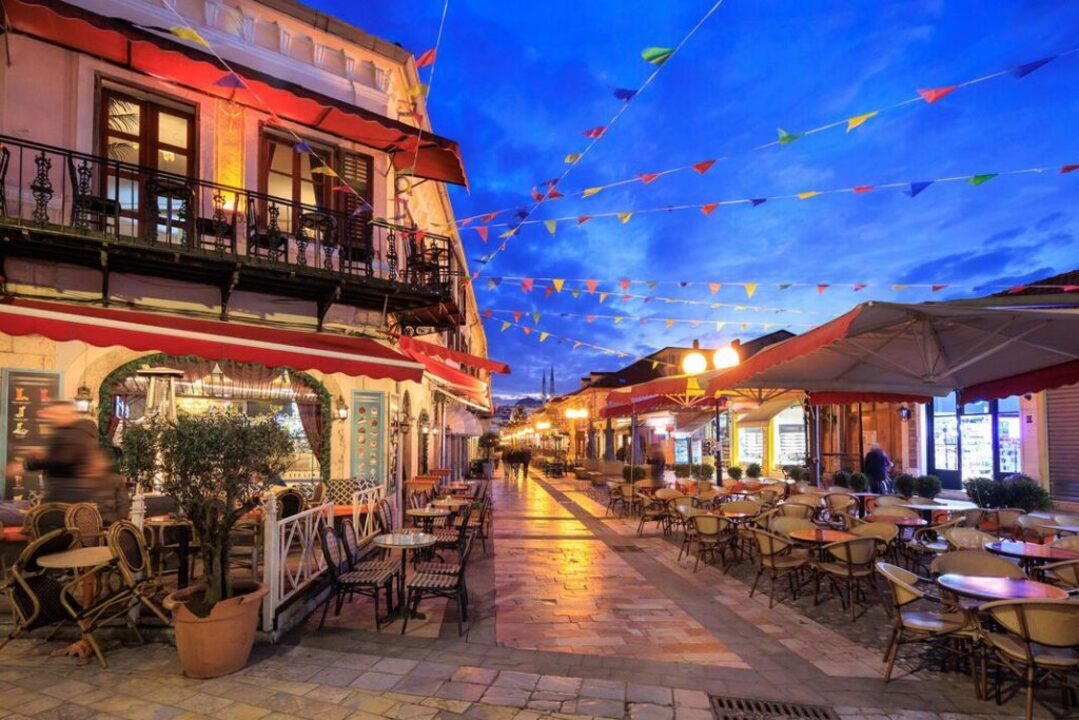
TIRANA, Nov 9 /ATA/ Shkodra is experiencing a tourism boom, attracting visitors from across Albania, the region, and Europe with its historic sites, cultural landmarks, and vibrant local life. Attractions such as Lake Shkodra, Thethi, Velipoja, Shiroka, Rozafa Castle, the Marubi Museum, the Historical Museum, and the city’s vibrant cultural life are drawing visitors not only from Albania but also from the wider region and Europe.
Renato Lumçi, Director of Tourism at the Municipality of Shkodra, said to the Albanian Telegraphic Agency that “the city is currently at a critical stage of transition and growth, and it is the responsibility of the municipality to continue unlocking this potential in a prudent manner, ensuring that economic development goes hand in hand with the preservation of Shkodra’s identity and cultural heritage.”
According to Lumçi, in 2022, the Municipality of Shkodra recorded approximately 264,000 overnight stays, while in 2025 this number is expected to exceed 538,000, representing a doubling in just four years.
“By the end of October 2025 alone, the number of overnight stays has surpassed 500,000. The city of Shkodra has tripled its accommodation nights compared to 2022, demonstrating sustained growth even during off-peak seasons. INSTAT data show that Shkodra region is among the two regions with the highest growth rate in tourism businesses over the past two years, outperforming the majority of other regions in Albania,” Lumçi stated.
“Shkodra, once regarded primarily as a summer destination, is now developing into a year-round tourist center. This transformation has been the result of sustained efforts in several key areas: investment in infrastructure, promotion of the city’s natural and cultural assets, strengthened cooperation with the private sector, and the establishment of a sustainable year-round calendar of activities,” he added.
Lumçi also highlighted several key projects in which the municipality has invested, aimed at transforming various areas of the city and improving the quality of life for residents, citizens, and the numerous tourists.
“The first major project is the entrance to Shkodra. The Western Park, covering approximately 18 hectares, is currently under construction and will include the Navigation Museum. This is a highly significant project that will offer both tourists and local residents the opportunity to explore the city’s history. In addition to the Western Park entrance, we have the Buna Bridge, which will feature four lanes—two for entry and two for exit. Furthermore, the new Shirokë-Zogaj tourist route, which will extend to Montenegro, is set to become one of the most scenic roads in the region. This project will accommodate not only vehicle traffic but will also include dedicated bicycle lanes,” Lumçi explained.
He added that the construction of the Dukagjin road, along the 17 km Prekal-Kir segment, will facilitate transportation not only for local residents but also for the many tourists seeking to explore Dukagjin and other attractions in northern Albania.
Lumçi emphasized that ongoing efforts aim to establish Shkodra not only as a coastal destination but also as a cultural and historical hub.
He noted that Velipoja, a coastal area famed for its beaches and tourism infrastructure, has benefited from investments in hotels, guesthouses, and tourist apartments. Similarly, in Shirokë, Zogaj, and the surrounding areas of Lake Shkodra—a region with substantial tourism potential—additional guesthouses and Airbnb accommodations have been developed to cater to visitors exploring both the city and the lake.
Lumçi highlighted that the city center functions as a primary hub for tourists visiting Shkodra as well as for excursionists exploring the surrounding mountainous areas. In Thethi, he noted, accommodation capacity has expanded, with residents converting their homes into guesthouses and small hotels, while tourism infrastructure—including trails, lodgings, and services—has been substantially enhanced.
He further emphasized that the economic and urban development of Shkodra municipality goes hand in hand with the preservation of its cultural, historical, and natural heritage. Cultural tourism, in particular, constitutes a strategic pillar that the municipality aims to promote to support sustainable, year-round development.
Lumçi stated that, “Based on data collected to date, the number of visitors to cultural sites within Shkodra municipality has seen a significant increase, averaging around 30% growth. Specifically, the Shkodra Archaeological Park (Rozafa Castle) recorded a total of 167,109 visitors between January and October 2025, compared to 157,827 visitors for the entire year of 2024.”
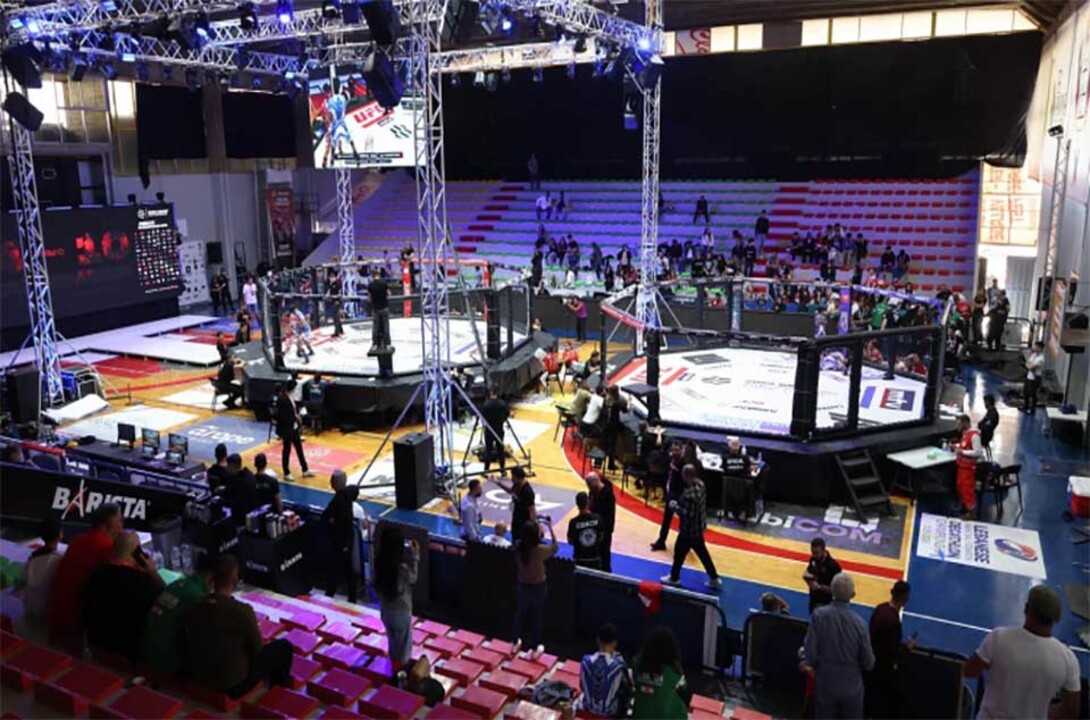
Furthermore, Shkodra, designated as the “European City of Sport 2025,” has hosted a series of national and international sporting events, including the Shkodra Marathon, the Shkodra Summer Cup 2025 (an international youth football tournament), the EuroBasket U16 (a European basketball event for boys under 16), the Triathlon, and the 1st IPA World Football Tournament 2025 (a 7×7 football tournament organized by the International Police Association), among others.
Renato Lumçi, Director of Tourism at the Municipality of Shkodra, stated that another key strategy is promoting Shkodra as a year-round tourist destination through participation in major international events.
“In recent years, Shkodra has adopted a more structured and professional approach to its promotion in international tourism markets, participating in major tourism fairs such as ITB Berlin and FITUR Madrid, as well as events in Pristina. At these fairs, Shkodra is showcased as part of Albania’s national tourism offering, with a focus on cultural tourism, the lake and natural adventure, history, and heritage. A significant aspect of international promotion also includes the numerous cultural and sporting events hosted in the city,” Lumçi said.
/sm/