Dili, May 12, 2025 (Lusa) - Timor-Leste's minister of petroleum and natural resources, Francisco Monteiro, said on Monday that he expects negotiations with Australia over Greater Sunrise to intensify in the coming weeks, following the formation of the new Australian government.
"Negotiations were very intense before the elections in Australia. In recent months, we can say that the process has been slower because Australia was in the midst of an election, and it was only last week that everything was finalised," the minister said.
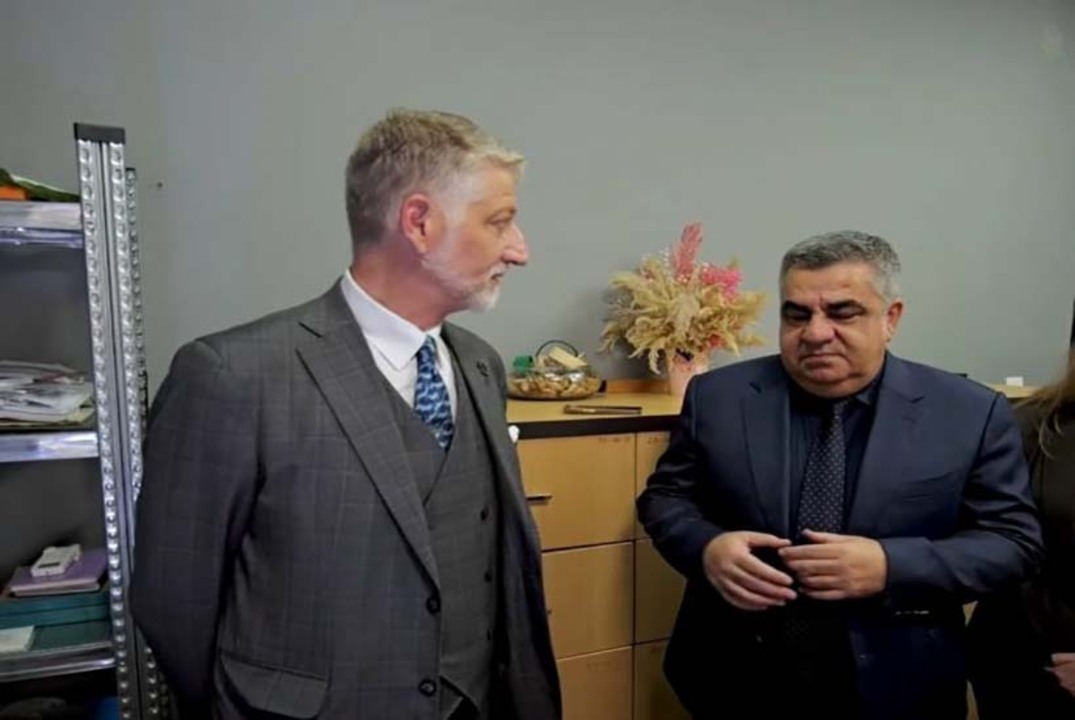
He was speaking to journalists on the sidelines of a seminar at the University of Dili as part of World Geology Day.
Australian Prime Minister Anthony Albanese was re-elected for a new term in last week's elections.
"We believe that within a week or two, there will be more intense contacts to re-establish and intensify negotiations so that we can achieve results shortly," said Francisco da Costa Monteiro.
When asked about a specific date for the start of gas production in Timor-Leste, the minister explained that in negotiations, there are never any definite dates.
"I would like us to be able to finalise the negotiation process this year according to our schedule, so that next year we can get into the engineering details, allowing construction to start in 2027 and, eventually, production to start in 2031 or 2032," he concluded.
Located 150 kilometres from Timor-Leste and 450 kilometres from Darwin, the Greater Sunrise project has been mired in a stalemate. Dili advocates the construction of a gas pipeline to the south of the country, while Woodside, the consortium's second-largest partner, leans towards a connection to the existing facility in Darwin.
Faced with the impasse, the consortium, consisting of Timor Gap (56.56%), operator Woodside Energy (33.44%) and Osaca Gás (10%), decided to hire a company to conduct a feasibility study for the project.
The company studied four main options: the development of Greater Sunrise for Timor-Leste, Darwin (Australia), the Ichthys gas field, also in Australia and operated by Japan's INPEX, and a new Liquefied Natural Gas facility.
"The Timor-Leste Liquefied Natural Gas (TLNG) option stands out for its lower operating costs and, by allowing better overall direct and indirect returns for Timor-Leste, will have a major socio-economic impact on the country," the Timorese government said in December.
The study was not released to the press.
The permanent maritime border agreement between Timor-Leste and Australia stipulates that Greater Sunrise, a shared resource, will have to be divided. If a gas pipeline is built to the country, 70% of revenues will go to Timor-Leste, or 80% if processing takes place in Darwin.
The Timorese authorities consider the connection of the gas pipeline to the south of Timor-Leste strategic for the country's economic growth.
DPYF/ADB // ADB.
Lusa