Tete, Mozambique, Oct. 8, 2026 (Lusa) - The chair of the board of directors of Hidroelétrica de Cahora Bassa (HCB) said on Thursday that Mozambique's national energy security is guaranteed for 2026 and 2027, even as forecasts indicate drought conditions linked to the El Niño phenomenon.
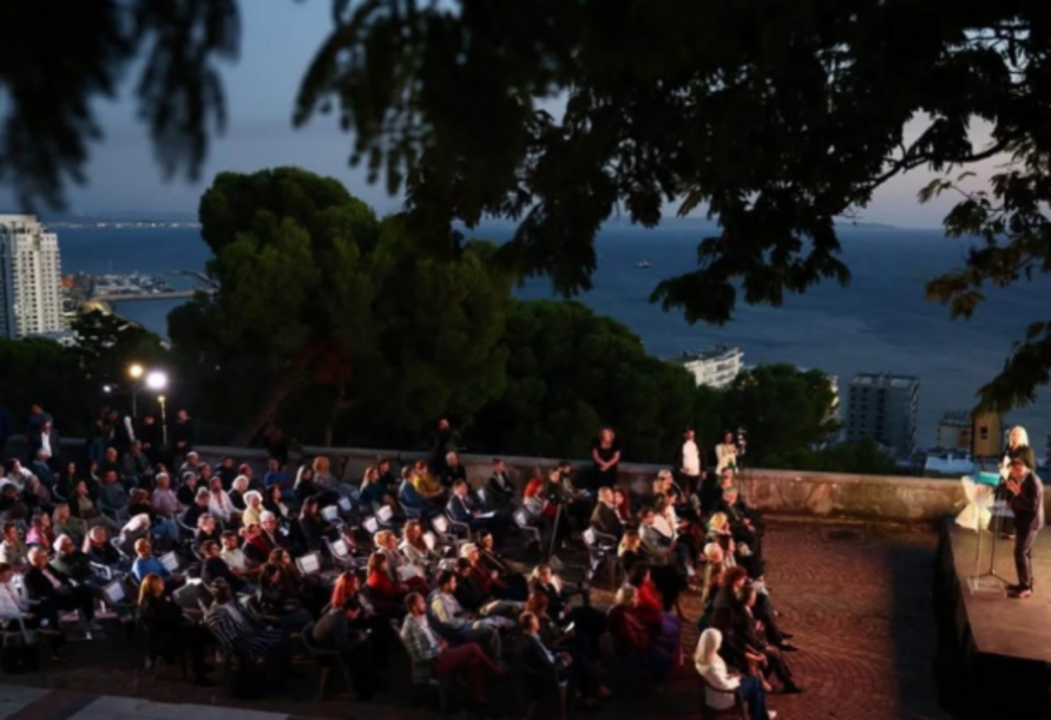
Speaking today at the Tete International Investment Conference, Tomás Matola said the company has a production strategy to address the expected reduction in inflows to the dam during the 2026–2027 hydrological year, to continue guaranteeing electricity supply to Mozambique and neighbouring countries.
He added that, following a peak in May of 56% of the reservoir's storage capacity at the dam in Tete, in central Mozambique, one of the largest in Africa, that level has been falling as the rainy season drew to a close, currently standing at 52 per cent, with a ‘comfortable' forecast of reaching 50% in December and 30% by the end of 2027.
«For next year, on average, we estimate we will receive 1,143 cubic metres of inflow and use 1,425 cubic metres; in other words, we will use slightly more than the inflow we receive,» said Tomás Matola, explaining that the strategy will enable the management of stored water consumption and maintain energy production at levels sufficient to meet national demand.
According to the official, weather forecasts point to a high probability of an El Niño event during the 2026–2027 hydrological year, which could reduce rainfall and inflows into the Zambezi basin.
Under this scenario, HCB plans to operate in 2027 with an average of 4.25 generator sets, limited to 150 megawatts of power, as part of a strategy to manage the reservoir level and preserve reserves for subsequent years.
«This is the strategy that our calculations have shown will allow us to manage the reservoir level,» said Matola, adding that the dam is currently generating less water than it receives.
He said the 2027 level forecast would let the company start 2028 «with some comfort», even in a scenario without significant rainfall, while acknowledging that a possible reduction in production could affect the company's electricity exports, revenue and results, while fully maintaining the national supply.
For 2027, HCB estimates it will produce around 13,037 gigawatt-hours of gross energy, slightly below this year's forecast of just over 13,200 gigawatt-hours.
«From an energy security perspective, we are confident about 2026, 2027 and 2028,» said Matola, emphasising that even in an unfavourable hydrological scenario, the strategy will ensure the national supply, although energy exports may be affected.
HCB, which accounts for around 80% of the electricity produced in Mozambique, generated 6.37 million megawatt-hours between January and June this year. At the same time, it is carrying out the refurbishment of the Central Sul power station, with an investment of $574.6 million (€513.4 million), and is preparing to expand production capacity through the Central Norte power station, with three generator sets and a projected capacity of 1,245 megawatts, as well as a 400-megawatt solar photovoltaic project.
The National Institute of Meteorology forecasts a strong El Niño between 1 November 2026 and 30 April 2027, with below-average rainfall in the south and centre of the country – a scenario that could heighten the need to manage water resources and food security more carefully.
EYMZ/ADB // ADB.
Lusa