Luanda, June 29, 2026 (Lusa) - The Angolan Government has approved a national strategy and action plan for implementing the African Continental Free Trade Area, considering that the country is particularly well-placed to benefit from the initiative.
“It is clear that the African Continental Free Trade Area (AfCFTA) is not merely a trade agreement, but rather the most ambitious economic integration project on our continent, realising one of the objectives of Agenda 2063: ‘The Africa We Want’,” said Angola’s Minister for Industry and Trade, Rui Miguens de Oliveira, in a statement issued by the United Nations Economic Commission for Africa (UNECA) following a meeting.
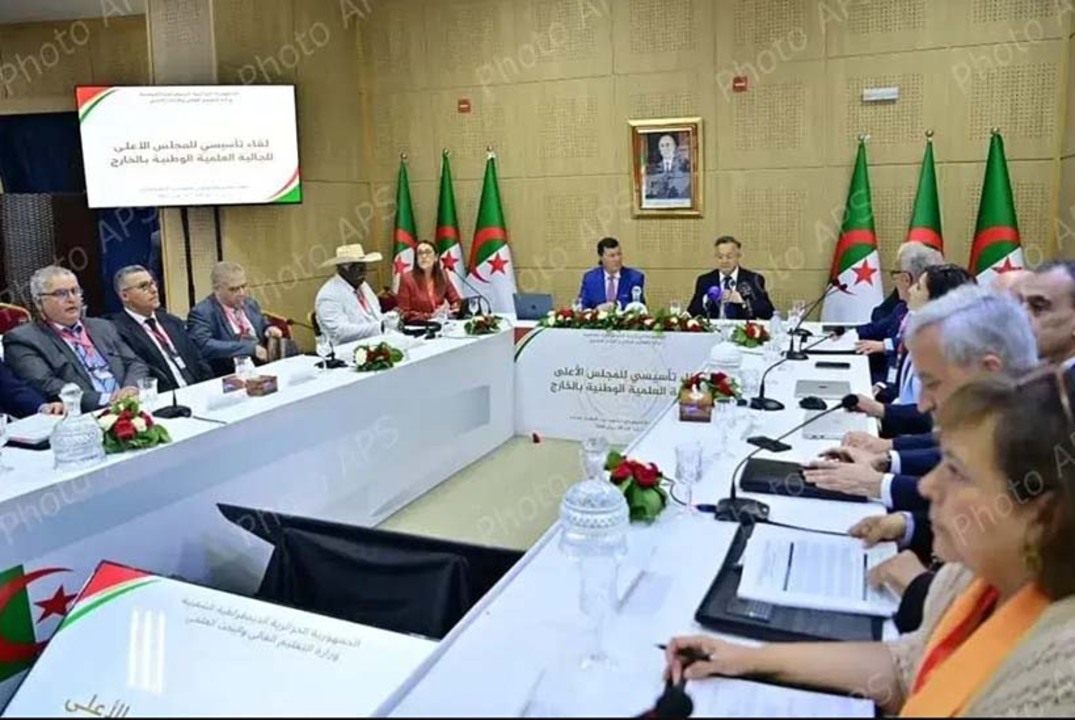
The meeting, which brought together the Angolan Government, various international partners and UNECA, concluded a process begun in September 2025 on the implementation of the AfCFTA in Angola and represents “a decisive step towards harnessing intra-African trade to accelerate the country’s economic diversification and industrialisation agenda”.
According to the Angolan minister, “Angola’s abundant resources, its young and dynamic population and its strategic location place the country in a position to benefit significantly from the expansion of regional trade”.
However, he noted, “a clear, comprehensive and feasible strategy is needed to take full advantage of these benefits”.
The plan’s main objectives include strengthening productive capacities, developing regional value chains, increasing the participation of domestic companies in regional markets, and ensuring that the benefits reach women, young people and other vulnerable groups in the country.
“The successful implementation of this strategy will not only strengthen Angola’s position in the regional market but will also promote a more resilient and interconnected African economy,” said Canada’s ambassador to Angola, Anderson Blanc, whose country funded the meeting and has been supporting Angola in the implementation of the AfCFTA.
“The discussions highlighted the central role of the private sector as a catalyst for successful implementation and the need for clear coordination mechanisms between the government, the private sector and civil society, in order to ensure inclusive and results-oriented implementation,” says UNECA.
The next steps, it concludes, include finalising the Action Plan, establishing coordination structures and mobilising technical and financial support from national and international partners.
Established in 2019 by the African Union, the AfCFTA aims to establish the world’s largest free trade area, covering more than 1.4 billion people and a market estimated to be worth US$3.4 trillion, or nearly €3 trillion.
Despite its potential, the implementation of the agreement has faced challenges, including high financing costs, logistical constraints and inadequate infrastructure, which hinder the participation of small and medium-sized enterprises.
The International Monetary Fund has advocated for greater regional integration as a means of mitigating the effects of recent external shocks, including the rise in global prices linked to the war in the Middle East.
MBA/AYLS // AYLS
Lusa