Maputo, June 11, 2026 (Lusa) - The president of Mozambique on Thursday called for regional coordination, robust institutions and mutual trust in the fight against illegal fishing in Africa, which presents opportunities to recover estimated annual losses of $400 million (€347 million) in the Southern African region.
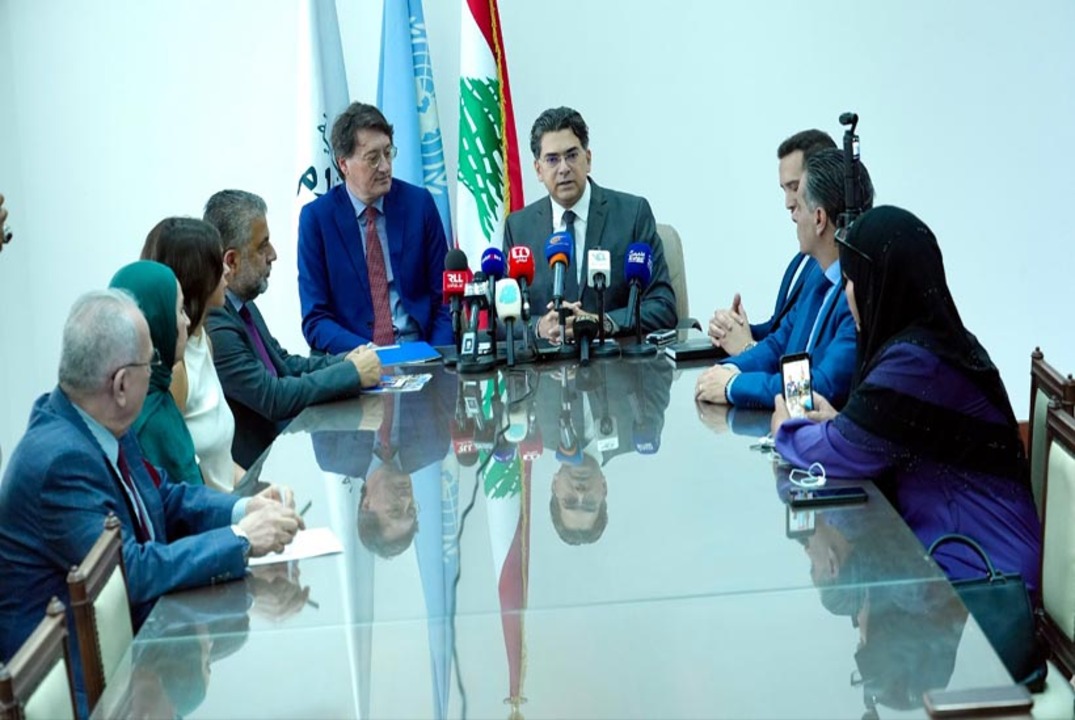
“Every vessel that catches fish illegally represents revenue that can still reach our countries’ coffers. It represents job opportunities that can be created and wealth that can benefit African communities,” said Daniel Chapo at the inauguration of the Southern African Development Community (SADC) Regional Coordination Centre for Fisheries Monitoring, Control and Surveillance in Katembe, Maputo.
According to the Head of State, combating illegal fishing protects the economic sovereignty, food security, livelihoods, and the future of member states, with annual savings of around $2 billion (€1.7 billion) in sub-Saharan Africa and $400 million in the SADC region, which requires a “response that goes beyond national borders”.
“Combating illegal fishing requires (…) regional coordination, information sharing between countries, harmonisation of procedures, robust technical and institutional capacities, and mutual trust among our states in the region. It is precisely to address this challenge that this Centre was established,” he said.
For Chapo, the true value of the centre will not be measured by the grandeur of its facilities, but by its ability to preserve resources, protect jobs and by the prosperity it will help to build across southern Africa.
Through the centre, SADC member states will be able to strengthen information sharing, improve vessel monitoring, harmonise enforcement, strengthen institutional capacities and promote coordination of operations to combat illegal fishing, which represents one of the greatest threats to the sustainability of the region’s fishery resources, he added.
“In a context where opportunities are increasingly transnational, states achieve more by collaborating. An effective response requires strong regional institutions, with permanent coordination mechanisms and collective solutions to shared challenges,” he stated.
The World Bank and cooperation partners funded the construction of the centre, the president said, expressing his gratitude for the support in protecting essential natural resources, advancing regional integration, and building “a safer and more prosperous future” for the SADC region.
LN/ADB // ADB.
Lusa