Maputo, May 8, 2026 (Lusa) – Mozambique's government will subsidise transport by up to 141,000 meticais (€1,874) to prevent fare increases and minimise the social impact of rising fuel prices, the Ministry of Transport announced on Friday.
"As part of the government's effort to minimise the social impact resulting from higher fuel prices, the executive has decided to subsidise passenger transport," stated Chinguane Mabote, Secretary of State for Transport and Logistics, during a press conference in Maputo.
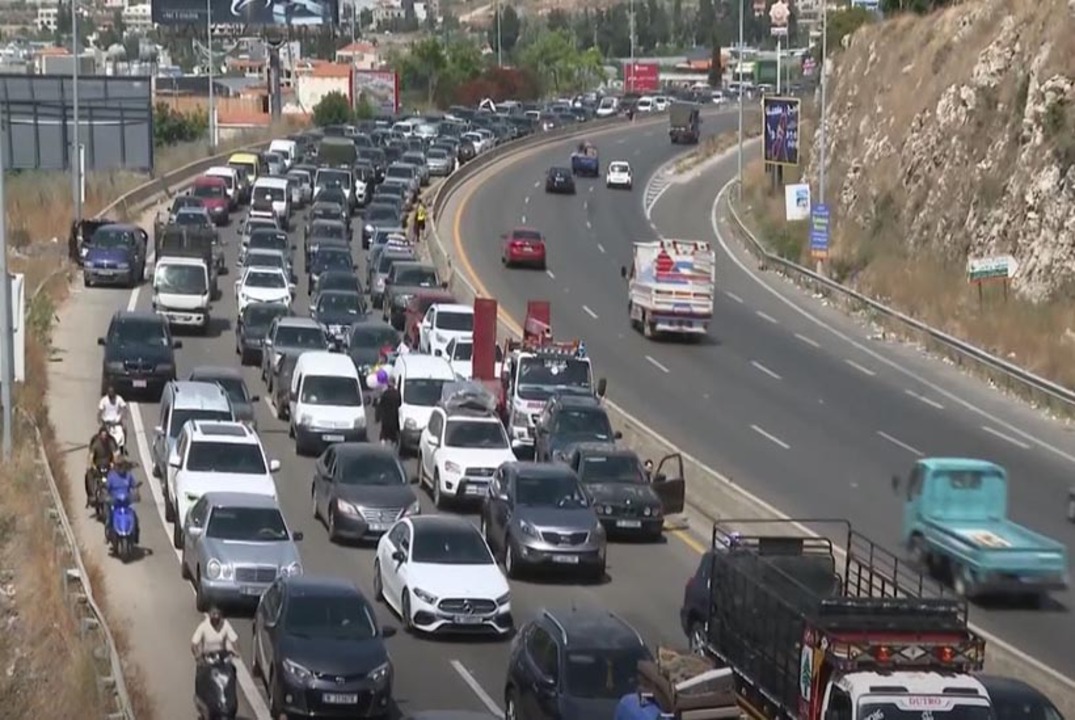
The announcement follows a day of protests where hundreds of operators halted activities to demonstrate against the new fuel prices, which saw diesel rise by up to 45%. Amidst a significant police presence, the strike left thousands of people stranded in the streets of Maputo.
The subsidy provides approximately 35,470 meticais (€471) for semi-collective passenger transport vehicles and 141,000 meticais (€1,874) for buses and articulated vehicles. It initially covers licenced operators in provincial capitals and the Maputo metropolitan area, as agreed by the Ministry of Transport and Logistics and the Federation of Road Transport Associations (Fematro).
"The agreed mechanism follows previous models based on capacity, distance, and fuel consumption. Compensation will be directed to each registered vehicle owner involved in passenger transport," he explained, noting that the subsidy should initially last for three months.
Chinguane Mabote announced that President Daniel Chapo will deliver 190 gas-powered buses on Monday. These vehicles are destined for the Maputo metropolitan area, with 40 specifically designated as school buses.
A project to increase the use of gas-powered vehicles in Gaza and Inhambane provinces is uunderway and will be implemented in the second half of this year.
Fematro leader Castigo Nhamane acknowledged that no negotiations satisfy everyone but stated that parties reached a "good compromise." He announced that he will share the agreement with members so they can "carefully" follow the requirements to access the compensation intended to alleviate costs for passengers.
"We are all Mozambicans, and we know that while operating costs are one thing, the pockets of our fellow citizens, the passengers, could not withstand them, therefore, a good compromise was reached," he said.
He called on transport operators to license their activities to benefit from the subsidy.
Mozambique's president acknowledged on Thursday that increasing fuel prices was inevitable. He stressed that prices remain among the lowest in the region and appealed for "calm".
Mozambican business owners expect "very difficult" days ahead, particularly concerning purchasing power, following the fuel price hikes. They advocated for joint actions with the government to reduce the "inevitable" impact.
Mozambique has faced fuel supply difficulties for several weeks, with petrol stations closed across the country, widespread queues, limits on diesel or petrol purchases, and reduced public transport services.
In Mozambique, diesel prices rose by 45.5% on Thursday and petrol by 12.1%. The sector regulator justified the upward revision of prices citing international market trends.
LN/RYOL // AYLS
Lusa