Lisbon, March 19, 2026 (Lusa) - The Portuguese Taxi Federation (FPT) said on Thursday that government subsidies intended to mitigate the rise in fuel prices are "insufficient", given the increases expected next week.
In a statement, the body led by Carlos Silva said that government support is “insufficient” and called for structural measures for the sector.
"The Portuguese Taxi Federation considers the measures announced by the government to mitigate escalating fuel prices clearly insufficient. This is especially true given the further increases expected next week", the statement read.
According to the FPT, taxi companies “operate under fixed tariffs, misaligned with the brutal rise in operating costs (fuel, maintenance, and labour), a situation that is jeopardising the sector’s economic sustainability and the continuity of the public taxi service in many parts of the country”.
Consequently, the federation has asked the government to “urgently reinforce the support now announced” and to supplement this support by creating a "genuine professional fuel regime" for taxis.
The FPT is seeking to adjust the support mechanisms “in a structural rather than merely temporary manner”, to guarantee “a service of general interest for public mobility”.
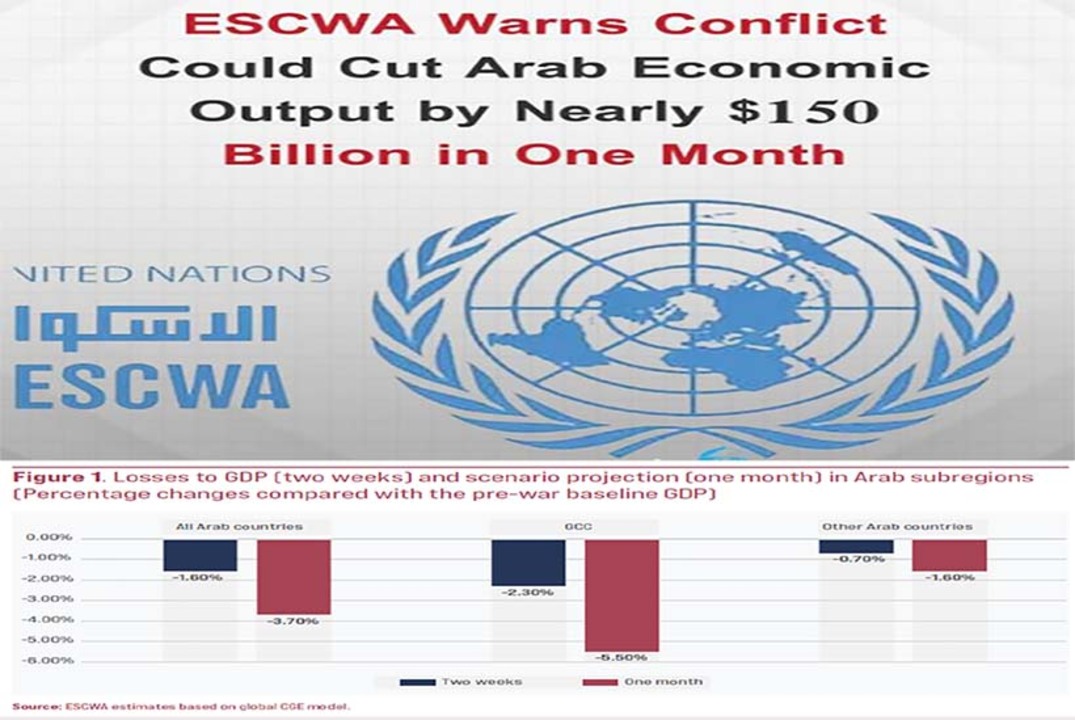
The escalating conflict in the Middle East, a key region for global fossil fuel supplies, is driving a sharp rise in oil and gas prices, with a direct impact on households and consumers’ purchasing power.
On Wednesday, during a fortnightly debate in parliament, Prime Minister Luís Montenegro announced a €25 subsidy for the solidarity gas bottle and a discount scheme for commercial diesel for the next three months to offset the impact of the Middle Eastern war.
Montenegro said that "the government is sensitive to the impact of rising fuel costs on people's lives" and would monitor international developments.
According to him, the government would introduce “an extraordinary scheme for professional diesel, for passenger and freight transport companies, which will consist of an additional discount of a 10-cent-per-litre refund up to 15,000 litres per vehicle, also for the next three months”.
RCP/MYAL // ADB.
Lusa