Brussels, March 19, 2026 (Lusa) - Prime Minister, Luís Montenegro announced on Thursday measures to ensure energy supplies even in cases of non-payment, as well as possible price caps in crisis situations, given the impact of the Middle East conflict on Portugal.
"The cabinet meeting, this very day, at this time, is deciding on some matters that are not circumstantial in nature, they are permanent, to support energy supply, in particular for the most vulnerable families, ensuring that there are no total cuts in energy supply, even in the event of non-payment, therefore, having guarantees of minimum supply, which is an important matter, and also ensuring that there will be limits on prices in energy crisis situations," the head of government said.
Speaking to Portuguese journalists in Brussels on arrival at a European Council meeting marked by the response to current high energy prices due to the war in the Middle East, Luís Montenegro said the government would "update measures according to the evolution of the situation".
"Regulation is needed for this purpose and we are creating the legislative framework that will, in the future, allow this mechanism to be used when applicable," he said, considering that "it is not worth predicting problems because the wish is that the problems do not arrive".
The prime minister said: "This does not mean that we are not prepared and are not studying possible measures, but I am not going to speculate about them now, I will only say that we will take those that are necessary to mitigate as much as possible the consequences on the dynamics of people's lives and companies".
Luís Montenegro said the current "high exposure to fossil fuel price developments" shows that the European Union (EU) "is still very dependent" on gas and oil supplied by third countries.
"We need to keep our commitment firm in what we can be autonomous in and in what we can now do in terms of autonomy and sustainability. Therefore, for Portugal it has been fundamental to take the path of investing in renewable energies, the path of decarbonising our economy, because it is simultaneously dealing with and safeguarding the economy's competitiveness, autonomy and greater independence on a national and European scale and also taking care of climate change management and, therefore, the climate impact that guarantees us future sustainability," he said.
Montenegro noted that Portugal is adopting "measures that reduce the impact of the increases, in particular the cost of fuel, but through this other goods and services," given the reduction in Fuel Tax (ISP), the €25 contribution to the solidarity cooking gas container and the discount mechanism on professional diesel for the next three months.
At the European level, the country supports "joint actions, such as the use of strategic fuel reserves, as well as authorization for some State aid," he concluded.
The European Council, meeting on Thursday in Brussels, will discuss how the EU can contain the impacts of the military escalation in the Middle East given high energy prices, while also ensuring energy supply security.
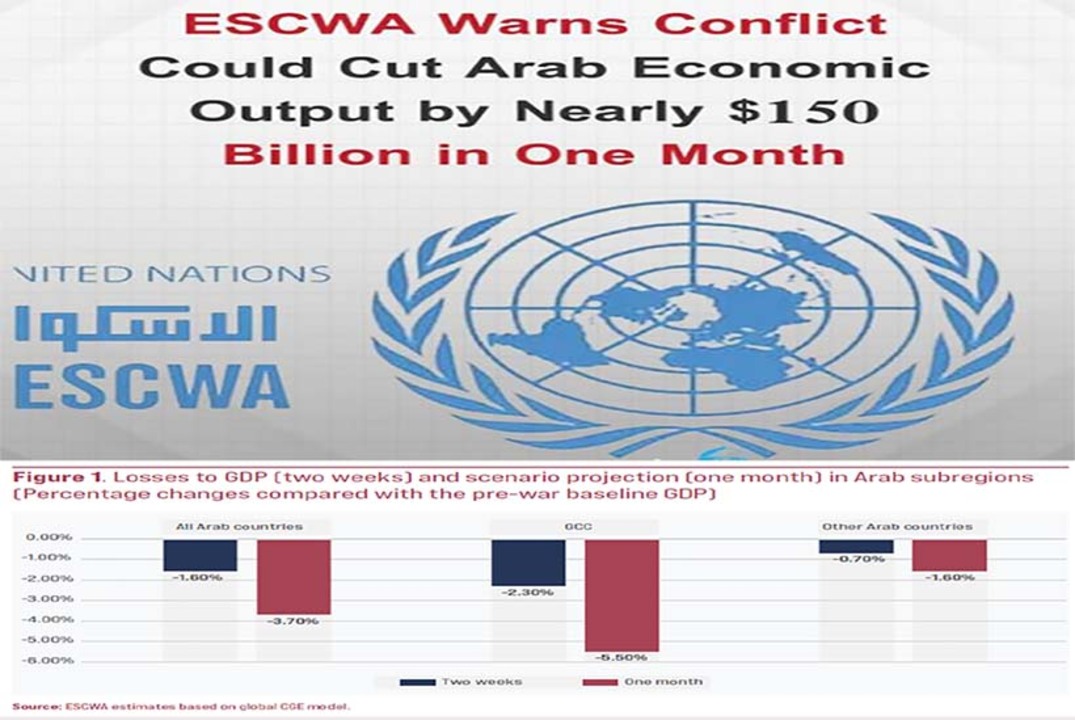
The United States and Israel launched a military attack against Iran on 28 February and, in response, Tehran closed the Strait of Hormuz, through which about 20% of the world's oil passes.
As a result, tanker traffic in the strait fell drastically and supply-related instability increased, putting pressure on prices.
ANE / LYT // AYLS
Lusa