ZAGREB, 15 Dec (Hina) - Manufacturers of crystalware, wooden toys, lace, and licitar gingerbread crafts will, like makers of prosciutto, kulen, or 'mlinci' baker's wares, be able to obtain an EU geographical indication, guaranteeing consumers an authentic, quality product.
A new EU regulation on geographical indications for craft and industrial products took effect on 1 December, allowing protection across all 27 member states.
Samobor crystalware, traditional jewellery of Dalmatian cities and wooden toys could thus join the ranks of Czech crystalware, Limoges porcelain, and Carrara marble.
With a rich craft tradition, Croatia is expected to replicate its success in protecting around 50 food and agricultural products, the names of which have been registered as protected designation of origin, protected geographical indication, or traditional specialities guaranteed.
Stone, lace, crystalware, wooden toys, licitar crafts
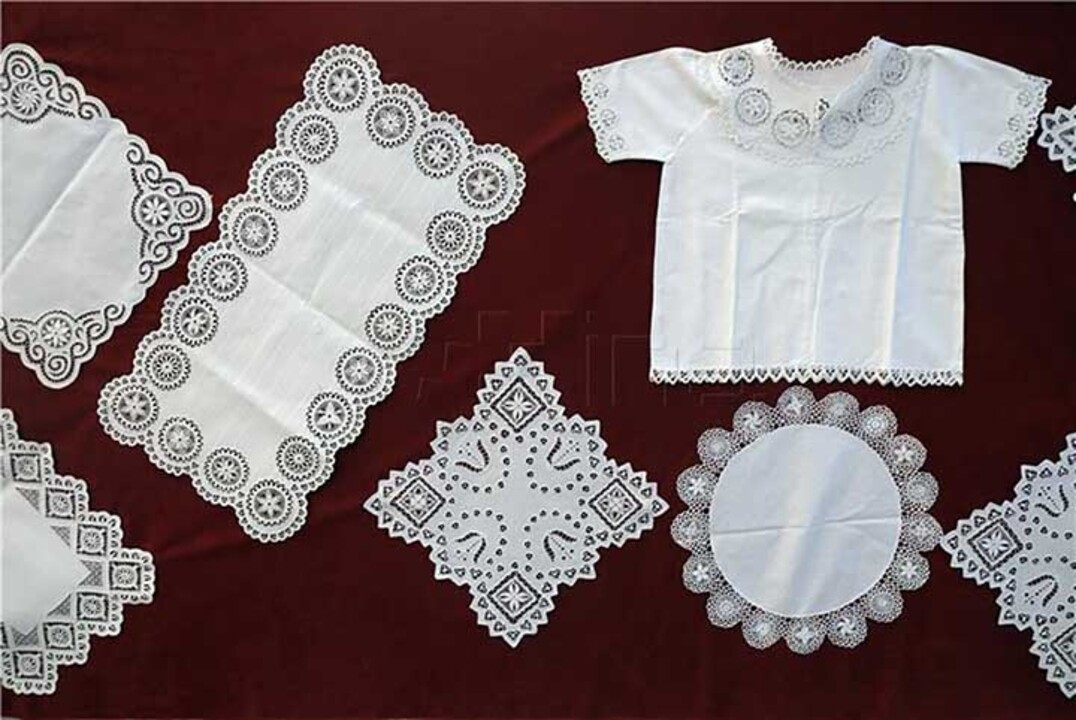
The Croatian Chamber of Trades and Crafts (HOK) lists Benkovac and Brač stone, Hvar agave lace, Pag, Lepoglava, Sveta Marija, and Primošten lace, Samobor crystal, the Šestine umbrella, Zagorje wooden toys, licitar gingerbread crafts, the Betina gajeta vessel, and various coastal jewellery as candidates for protection.
The EU Regulation establishes, for the first time, a single protection system for craft and industrial products, and Croatia has adopted the necessary implementing law.
Protection involves a national and an EU phase, handled by the State Intellectual Property Office (DZIV) and the EU Intellectual Property Office (EUIPO) respectively.
Applications begin nationally, and details will be set by a rulebook now under public consultation.
Customs will oversee market use and prevent counterfeits.
Chamber: Free webinars to follow
Croatia previously had a similar system, but only at the national level, and yielding just four registered items of lace. Change is expected, but many craftspeople remain unaware of the new EU opportunity.
The State Intellectual Property Office, together with the European Commission and the EUIPO, has already held a conference at HOK.
The Chamber will continue to inform manufacturers about the registration procedure, in cooperation with the DZIV, and support applicants in the process.
Free webinars are planned for craftspeople, with recordings and repeat sessions depending on interest.
Complex path to protection
Croatian MEP Tonino Picula has made the protection of Croatia's traditional food products a central focus of his work in the European Parliament.
Food safety and quality standards are already well established and tightly regulated, yet it will still be necessary to define clear levels of distinctiveness and criteria that genuinely reflect a product's quality, Picula told Hina.
The trickiest stage is usually the national process, particularly defining product specifications, with producers sometimes proposing too high standards. Also, specifications must be sufficiently clear and precise, he said.
At EU level, the Commission checks compliance, and rival producers may object if they believe a new designation clashes with existing ones, he added.
Picula has faced opposition from states claiming Croatian products compete with their own, notably Italy's objections to the name 'prošek', which refers to Dalmatian dessert wine, due to its similarity to the name 'prosecco'
He stresses that no EU regulation is adopted without lengthy debate in Parliament. The 'prošek' case, unresolved since 2013, has involved extraordinary levels of misinformation from the Italian side, he said.