ALGIERS - Economic experts have highlighted Algeria's sustained economic dynamism in recent years, driven by a comprehensive framework of programs, projects, and multi-sector initiatives, anchored in strategic investments aimed at strengthening infrastructure, expanding productive capacity, and developing human capital.
The specialists emphasized the pivotal role of these concerted efforts in securing consistent year-over-year growth and consolidating the foundations of long-term sustainable economic development.
Speaking to APS, experts said this momentum, driven by President Abdelmadjid Tebboune's efforts to boost economic activity and improve the business and investment climate, is reflected in major structural projects spanning all economic sectors, alongside measures that have firmly set Algeria on a trajectory of sustained economic growth.
Expert and international consultant in economic development Abderrahmane Hadef emphasized that Algeria is witnessing growing economic momentum through major structural projects underway and planned.
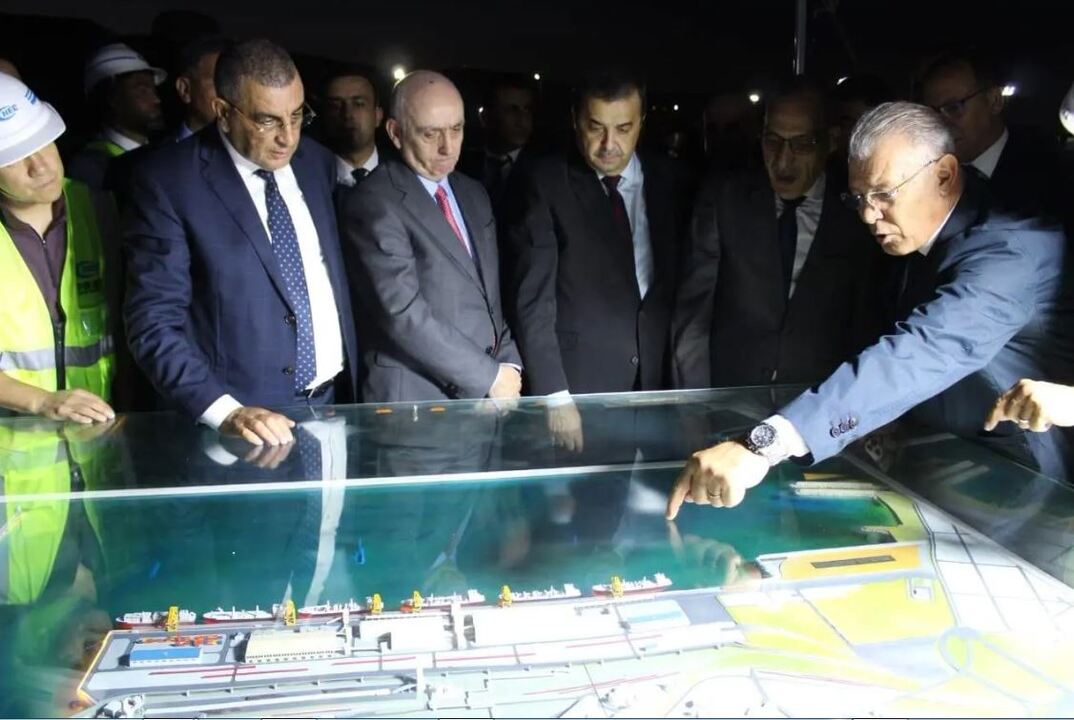
The projects, he expleined, constitute a key driver of growth, given their contribution to developing several sectors, including transport, energy and industry, as well as improving connectivity between production areas and markets, thereby lowering operating costs and boosting the competitiveness of the national economy.
Hadef added that these projects provide a suitable environment for building integrated economic ecosystems around them, through the development of fields such as subcontracting, maintenance, logistics, manufacturing industries, engineering and technological services, and digitalization, in a manner that helps expand local value chains and create added value and new investment opportunities.
The expert further addressed the improvement recorded in the investment climate, noting that the new approach adopted by the authorities, based on supporting the investor and the project and simplifying relations with the administration, has yielded results in enhancing the economy's attractiveness and drawing foreign investment, as well as steering investment toward productive, value-added sectors.
Additionally, the speaker highlighted the improvement the country is witnessing in human development indicators, stressing that efforts to expand and modernize educational and university institutions represent a direct investment in people and help develop the skills needed to keep pace with technological and industrial transformations, while efforts to expand and modernize health facilities and improve services enhance citizens' quality of life, which leads to higher productivity.
For his part, economic expert Ishak Kherchi stressed that the major structural projects Algeria is undertaking are a key lever for accelerating growth, especially as the related public investments stimulate several sectors, notably construction, transport, services and industry during the implementation phase, before their economic effects are reinforced once they enter into operation through higher productivity, improved transport and logistics, and lower operating costs.
Kherchi underscored the role of the current approach to investment in strengthening complementarity between the public and private sectors, in implementation of the instructions of the President of the Republic, especially as the state provides the infrastructure, basic conditions and the legal and regulatory frameworks for activity.
He added that private investment helps broaden the production base and create wealth and jobs, considering that this complementarity supports the diversification and expansion of economic activity.
Kherchi commended the efforts made to support and modernize educational and university institutions and improve training conditions, along with developing skills in artificial intelligence, the internet, and cloud computing.
He stated that this investment in knowledge reinforces the link between the university and the national economy and supports building skills that meet the requirements of the economic and technological transformation.
He commended the strides made in health by expanding and modernizing facilities, bringing services closer to citizens, and developing specialized institutions, stressing that the improvement of the health system, which has become a tangible reality, contributes to human development and to people's capacity to learn, work and produce, as well as stimulating related sectors such as the pharmaceutical industry, medical equipment, and scientific research.