NNA - Minister of Culture Ghassan Salamé affirmed that "Lebanese cinema needs to move from individual initiatives to a sustainable industry," revealing that "cultural industries provide livelihoods for half a million Lebanese and account for 6% of the economy."
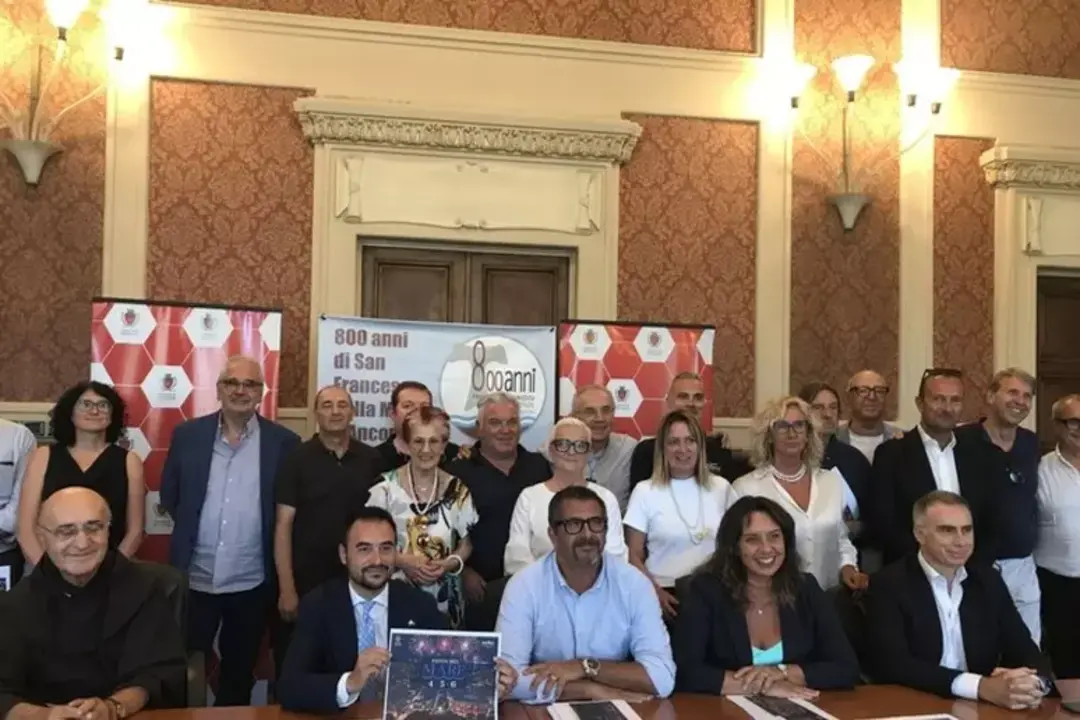
Salamé made the remarks while patronizing and inaugurating the first edition of the Mairouba Film Festival, which opened yesterday in the presence of the Qaimaqam of Keserwan, Ms. Strida Nabhan; the Mayor of Mairouba, Elie Saadé; the Vice President of the Keserwan-Ftouh Municipalities Union, Pierre Dakkar; as well as a large gathering of local dignitaries, intellectuals, directors, actors, and lovers of the seventh art.
The Minister of Culture began his speech by saying: "I cannot hide my happiness. First, because neighbours have rights, and I am a neighbour of Mairouba, and this neighbourhood is dear to my heart. Second, because, as Minister of Culture, I believe that culture must reach the people."
He praised the initiative of the Municipality of Mairouba in organizing the film festival, expressing his hope that it would become an "annual tradition," similar to the Cannes Film Festival in France. He noted that "Lebanese cinema is not in good shape; it is neither at the level it should be nor does it have the influence it could have," stressing that "we have a great duty towards this refined art, because Lebanon needs its cultural industries."
He pointed to "the importance of cultural industries in Lebanon," saying: "Cultural industries represent around 6% of Lebanon’s economy, which is more than agriculture. There are 110,000 families making their living from these industries—from writing, music, films and painting, among others—meaning that around half a million Lebanese depend on these industries for their livelihoods."
Salamé added: "Cultural industries, including cinema, have several positive characteristics. First, they do not require raw materials like other industries. Second, they do not cause air pollution. Third, they require exceptional human capital. In Lebanon, universities graduate between 600 and 800 young men and women every year in the field of cultural industries. We have the talent, ambition and capability, but we need to seek investment and markets—and that is the crux of the matter."
He reviewed the measures undertaken by the Ministry to strengthen Lebanese cinema despite its "very limited financial resources," including the reopening of the National Cinematheque; the recovery of the first Lebanese film, produced in 1927, which has become a jewel of the National Library; the organization of an annual film week inside and outside Beirut, which this year attracted around 10,000 Lebanese participants in cities such as Amioun, Nabatieh and Baalbek; and the signing of six co-production agreements with Lebanon’s embassies abroad, with preparations underway to sign an agreement next month with France on joint film production.
He also announced "an agreement with UNESCO, following a visit to Beirut by its Director-General, Dr. Khaled El-Enany, at his personal invitation, to establish a Lebanese Film Centre funded by UNESCO."
The Minister of Culture revealed that "the year 2027 will be a pivotal year for Lebanese cinema, as it will mark the centenary of the first film made in Lebanon and the 80th anniversary of the first Lebanese film to be screened internationally, Where To? by Georges Nasser in 1957."
He concluded by reaffirming efforts "to transform this art from individual initiatives threatened with disappearance into a sustainable industry, as is the case in Italy, France and Spain," expressing his hope for "the return of stability and investment in cultural industries, particularly cinema, so that we may achieve at least a small part of our boundless ambitions."
The opening was followed by a reception and a tribute to the stars of the film A Mafraq Tariq (At a Crossroads), directed by Lara Saba, which achieved notable success, participated in international festivals and won the Audience Award at the Lebanese Film Festival in Canada.
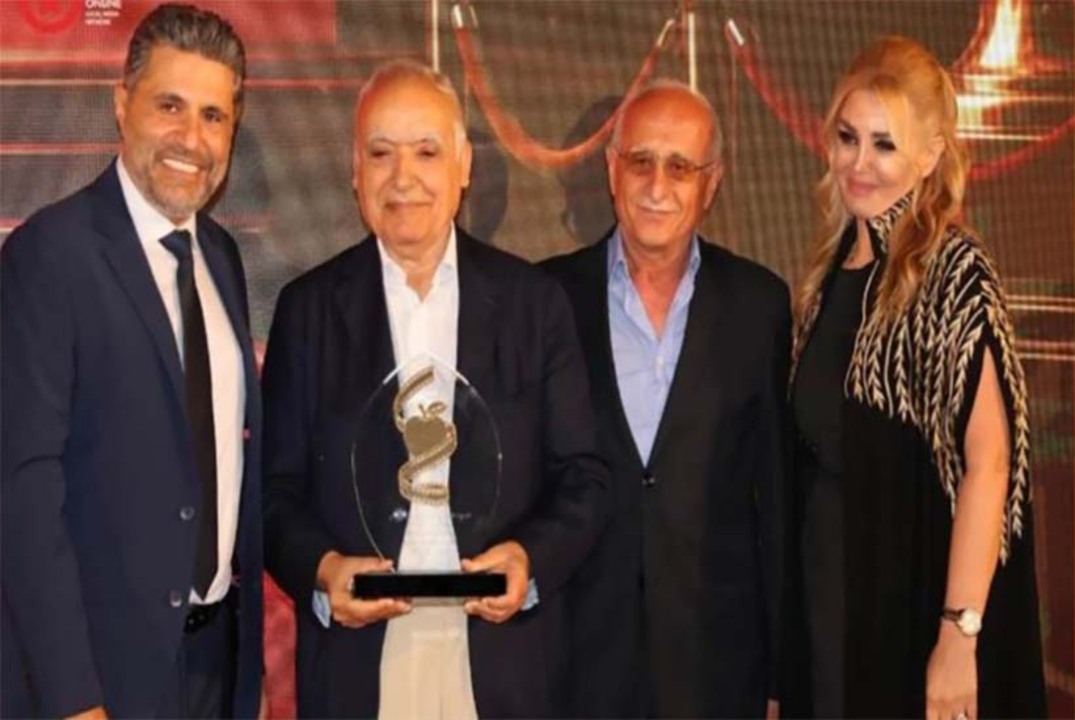
The Minister of Culture was also honoured by the organizing committee and the festival’s organizers before the screening of A Mafraq Tariq.
The festival will continue for three days, presenting a selection of some of the most prominent Lebanese films, including Bosta and Ghadi, as part of an initiative aimed at reviving Mairouba’s tourist amphitheatre and strengthening the presence of Lebanese cinema on the cultural scene.