TIRANA, July 27 /ATA/ The first edition of Pilur Group Day was held over the weekend, celebrating the legendary Albanian polyphonic group that has left a lasting mark on the country’s cultural heritage for more than six decades.
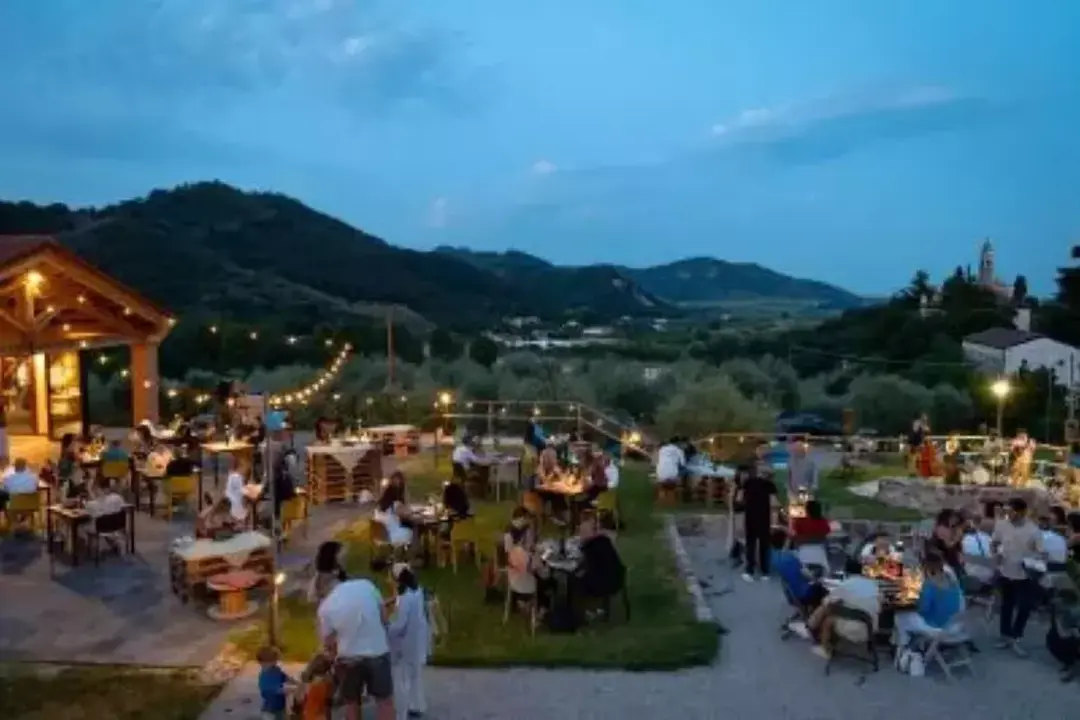
The event, held at the “Lefter Çipa” Word Museum Centre in Pilur, brought together members from different generations of the group, local residents, friends and admirers of Labëria’s traditional singing to honour their history and legacy.
Through performances of the songs that made them known across Albania and beyond, former members shared memories from the group’s golden years, recalling the stories, journeys and concerts that united them over the decades. It was a day filled with genuine emotion, where nostalgia blended with pride for an artistic heritage that continues to inspire generations.
The event, organised by Himarë Municipality and the “Lefter Çipa” Word Museum Centre, aims to become an annual tradition in honour of the Pilur Group.
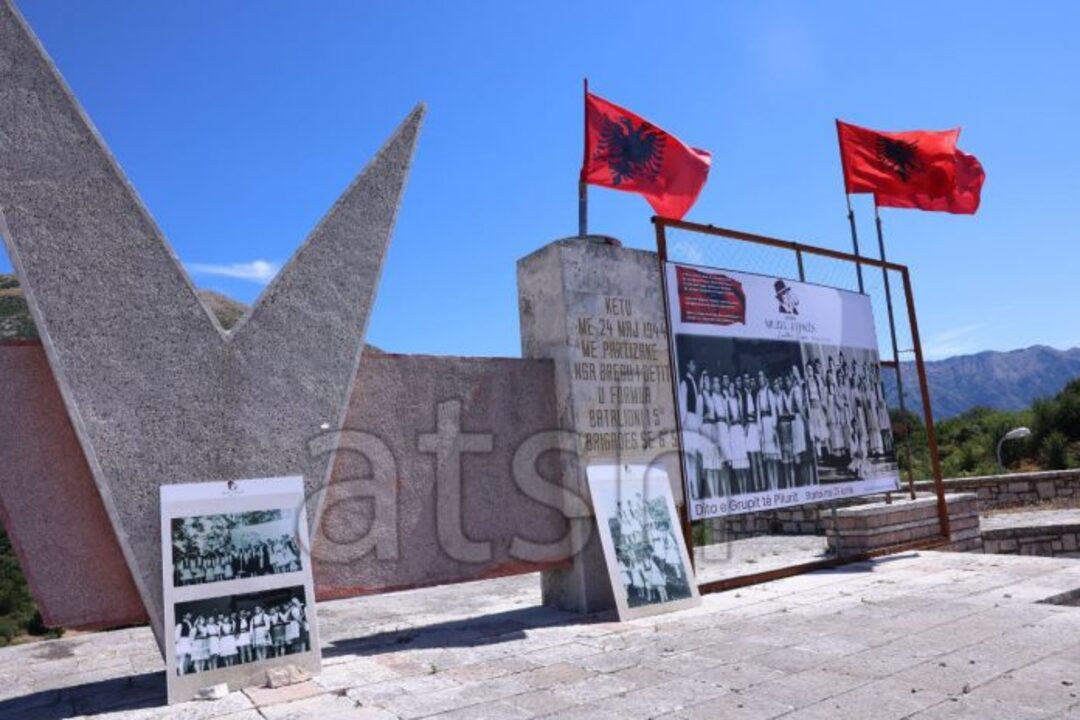
The event was further enriched by the collaboration with the Albanian Telegraphic Agency (ATA) and the General Directorate of Archives (GDA), which contributed rare photographs from their archives, highlighting the history of the Pilur Group, its participation over the years in National Folklore Festivals, and significant moments from the cultural heritage of the Vlora region.
The photo exhibition became a journey through memory, with each image bringing back emotions, stories and pride for a group that remains a symbol of Albanian polyphonic singing.
ATA Director General Valbona Zhupa, who attended the event, highlighted the importance of the collaboration, saying it was a pleasure for the Albanian Telegraphic Agency to contribute photographs from its historical archive documenting a valuable part of Albania’s folklore heritage.
According to Zhupa, these images represent both memory and identity, bringing attention not only to the Pilur Group, but also to the National Folklore Festivals, the richness of traditional costumes, dances and the cultural traditions of Labëria and the Vlora region.
Zhupa said the release of the archive to the public was a way of breathing new life into the past while helping preserve a vital part of Albania’s cultural heritage. She added that the country’s iso-polyphonic tradition continues to resonate beyond its borders, with its growing international profile highlighted by its inclusion in the soundtrack of the film “The Odyssey.”
“Throughout its journey, the Pilur Group reached remarkable heights of creativity and poetic expression, introducing new melodic ideas and setting high standards in the aesthetics of performance and artistic interpretation. It was an endeavour carried out in difficult times, but one driven by a rich and enduring spirit,” said Aleksandër Çipa, the son of Lefter Çipa, the group’s leader and inspiration.
Milto Gjiçani, born in Pilur in 1948 and a lifelong resident of the village, recalls learning to play the flute at the age of nine. He says that in late 1966, Lefter Çipa arrived in Pilur and founded the group, with Milto joining as a flute player.
A member of the Pilur Group, Gjiçani says the ensemble gained widespread recognition and acclaim after taking part in the National Folklore Festival with the song “Bejkë e bardhë”, which has since become one of the best-known pieces of Labëria’s polyphonic tradition.
Kristo Çipa, a recipient of the title “Grand Master” and the director of the folk ensemble “Bejkë e Bardhë-Pilur”, which carries forward the legacy of the original group, told the Albanian Telegraphic Agency (ATA) that the seventh edition of the folklore festival “Nights of the White Ewe” will take place on 11 and 12 September.
Çipa said that “Bejkë e Bardhë” reflects the pastoral heritage and way of life of Pilur. “The bejka, the white ewe, has come to symbolise female beauty. After the song ‘Tundu, bejkë e bardhë tundu’ became popular, the singer was no longer known by her given name but was instead called ‘Bejkë e bardhë’,” he explained.
/sm/