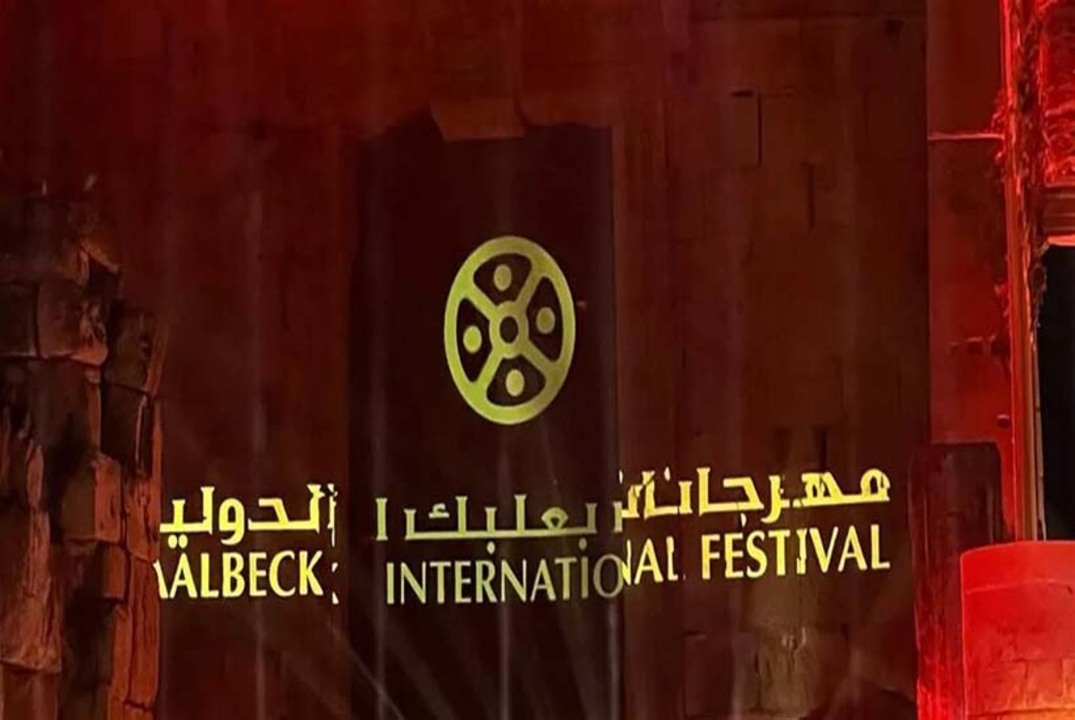
NNA - In 2025, the Baalbeck International Festival, in partnership with UNESCO, launched the project Empowering Women in Baalbeck Festival, an initiative designed to strengthen the participation of women and girls in Lebanon through arts education, hands-on training, mentorship, and opportunities for professional development. By supporting their skills, creativity, and economic empowerment, the project also contributes to the preservation and promotion of Lebanon’s cultural heritage.
Implemented between May and September 2025, the project created structured learning and practical opportunities that enabled women to actively engage in the planning, production, and artistic life of one of Lebanon’s most prestigious cultural events. Through immersive arts education, mentorship, and direct participation in creative processes, participants developed technical and artistic competencies that support long-term professional pathways and sustainable livelihoods.
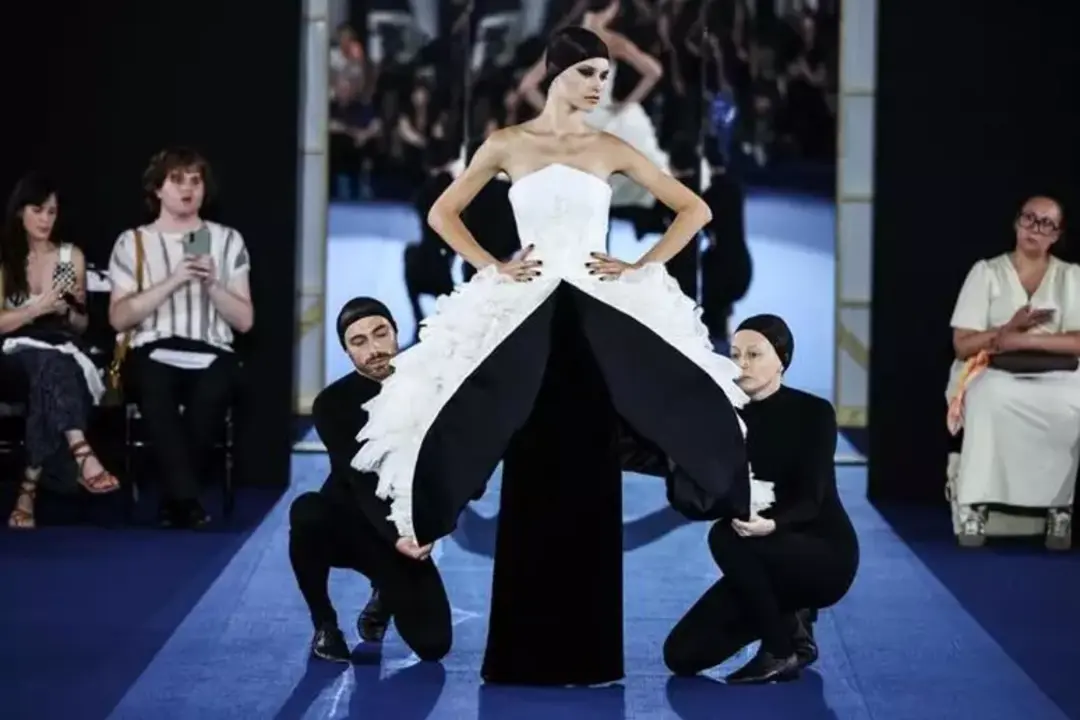
The project brought together artists, educators, cultural practitioners, universities, and community organizations, strengthening collaboration between the education and cultural sectors. Women contributed across multiple dimensions of festival work, including production and management, costume design and realization for Carmen, visual arts workshops, and public exhibitions.
These experiences highlighted the essential role women can play in cultural production, including in areas where they have traditionally been underrepresented. By fostering skills development and leadership opportunities, the initiative advances gender equality, social inclusion, and economic sustainability, while reinforcing culture as a driver of sustainable development. It reflects a shared belief in the role of education in advancing a more equitable cultural sector.
Beyond implementation, the project also shed light on persistent structural barriers limiting women’s participation in the cultural field. While women are increasingly active as artists and cultural practitioners, they remain underrepresented in technical, managerial, and decision-making roles. This experience underscored the importance of creating sustained pathways for leadership, visibility, and professional advancement, alongside more inclusive institutional practices.
The lessons learned informed the development of a Gender-Responsive Strategic Framework for Culture Management, designed as a practical roadmap for the Baalbeck International Festival and other cultural institutions seeking to integrate gender equality across governance, programming, production, partnerships, and community engagement. It translates the project’s experience into a long-term vision for inclusive cultural development.
Grounded in the principles of equity, participation, representation, accountability, cultural diversity, and sustainable development, the Framework positions culture not only as a means of safeguarding heritage but also as a driver of education, social cohesion, resilience, and economic opportunity. It affirms that protecting cultural heritage requires investing in people, expanding opportunities, and ensuring that women have the skills and platforms to actively shape Lebanon’s cultural future.
The Framework aligns with the United Nations Sustainable Development Goals (SDGs), a global framework adopted by all UN Member States that sets 17 interconnected goals to end poverty, protect the planet, and ensure peace and prosperity. In particular, it contributes to SDG 4 (Quality Education), SDG 5 (Gender Equality), and SDG 11 (Sustainable Cities and Communities).
The Baalbeck International Festival hopes this Framework will serve as a reference for cultural organizations, educational institutions, public authorities, and civil society actors committed to advancing a more inclusive cultural sector in Lebanon and beyond.
This document marks both the culmination of a successful collaboration between UNESCO and the Baalbeck International Festival and the beginning of a sustained commitment to gender-responsive cultural management and inclusive cultural participation for future generations.