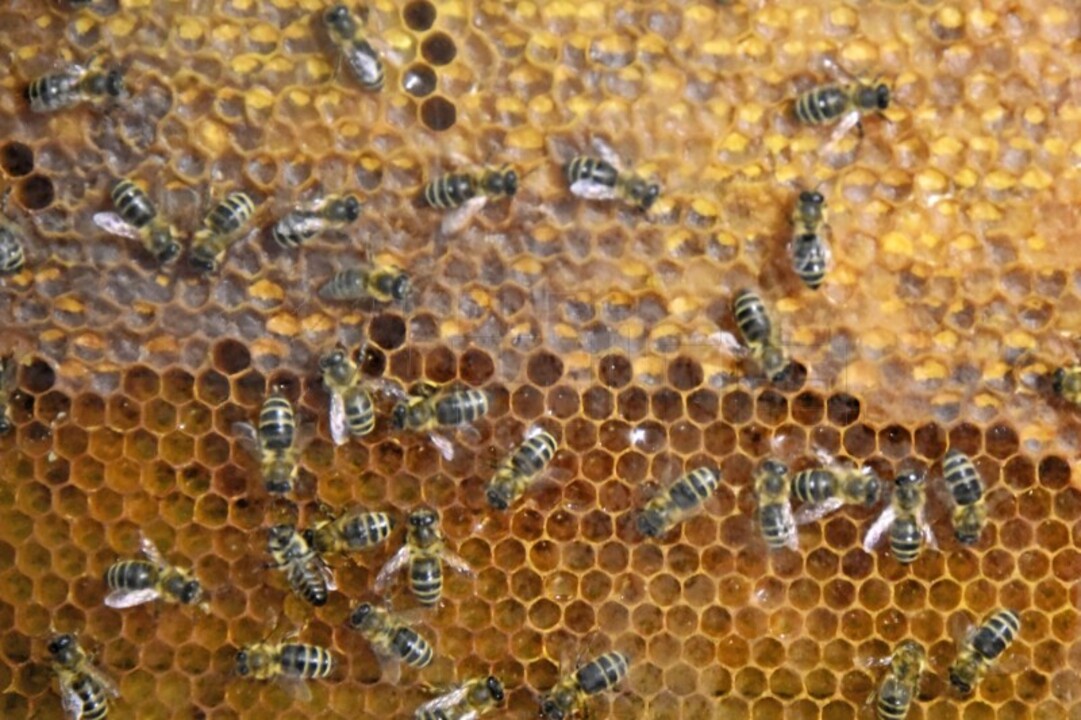
ZAGREB, 20 May (Hina) - The Environmental Protection and Green Transition Ministry said World Bee Day was an opportunity to step up efforts to protect bees and other pollinators, warning that their decline could threaten food security, agricultural livelihoods, biodiversity and the environment.
Aljoša Duplić, head of the Institute for Environment and Nature Protection at the ministry, told Hina that nearly 90% of plant species depend on animal pollination, while more than two-thirds of agricultural crops require pollinators to produce fruit and seeds.
“The value of this ecosystem service in Europe alone is estimated at around €15 billion annually,” Duplić said.
He stressed that pollination was not only vital for food production but also enabled the exchange of genetic material between plants, increasing genetic diversity and resilience, which are crucial for the long-term survival of plant species and the stability of terrestrial ecosystems, particularly amid climate change.
“The best-known pollinator is the honey bee, a species humans have cultivated for thousands of years,” he said. “Croatia has at least 720 species of wild bees, while Europe has more than 2,000. Worldwide, around 22,000 insect species are believed to play a role in pollination.”
He warned that scientists in recent years had increasingly raised concerns over a sharp decline in pollinator numbers and diversity in many parts of the world, driven by intensive agriculture, pesticide use, habitat loss, climate change, invasive species and disease.
“The disappearance of pollinators would not just mean fewer flowers or less honey,” he said. “It would mean less fruit and vegetables, lower crop yields and a poorer diet.”
Croatian Beekeeping Association president Dražen Kocet said the association wanted beekeeping to continue thriving because of the benefits pollination brings to biodiversity conservation and food production.
Kocet also warned about counterfeit and substandard honey on the Croatian market.
“The EU has published official data showing that 46% of honey is of suspicious origin or quality,” he said. “Croatia’s State Inspectorate reported in 2025 that one-third of the 10,000 tonnes of honey imported, sold and produced in Croatia was non-compliant, while a year earlier the figure was one quarter.”
He also cited human activity, intensive farming, plant protection chemicals, climate change, bee diseases, invasive species introduced through agricultural imports and the felling of linden and chestnut forests as major threats to bees.
World Bee Day will be marked today at the Nikola Tesla Technical Museum in Zagreb.
Since 2017, World Bee Day has been observed annually on 20 May following a resolution by the United Nations General Assembly. The date marks the 1734 birth in Slovenia of Anton Janša, regarded as a pioneer of modern beekeeping.
This year’s theme is: “Bee together for people and the planet. A partnership that sustains us all.”