ZAGREB, 29 April (Hina) - Researchers from the University of Zagreb Faculty of Electrical Engineering and Computing (FER) and the Genome Institute of Singapore have developed HERRO, an artificial intelligence-based tool for full reconstruction of the human genome using a single long-read DNA sequencing technology.
The results were published in Nature, one of the world’s most prestigious scientific journals.
HERRO significantly reduces error rates in DNA fragment reads while minimising the loss of genuine genetic differences between the two copies of chromosomes inherited from parents.
The project was developed in collaboration with Oxford Nanopore Technologies.
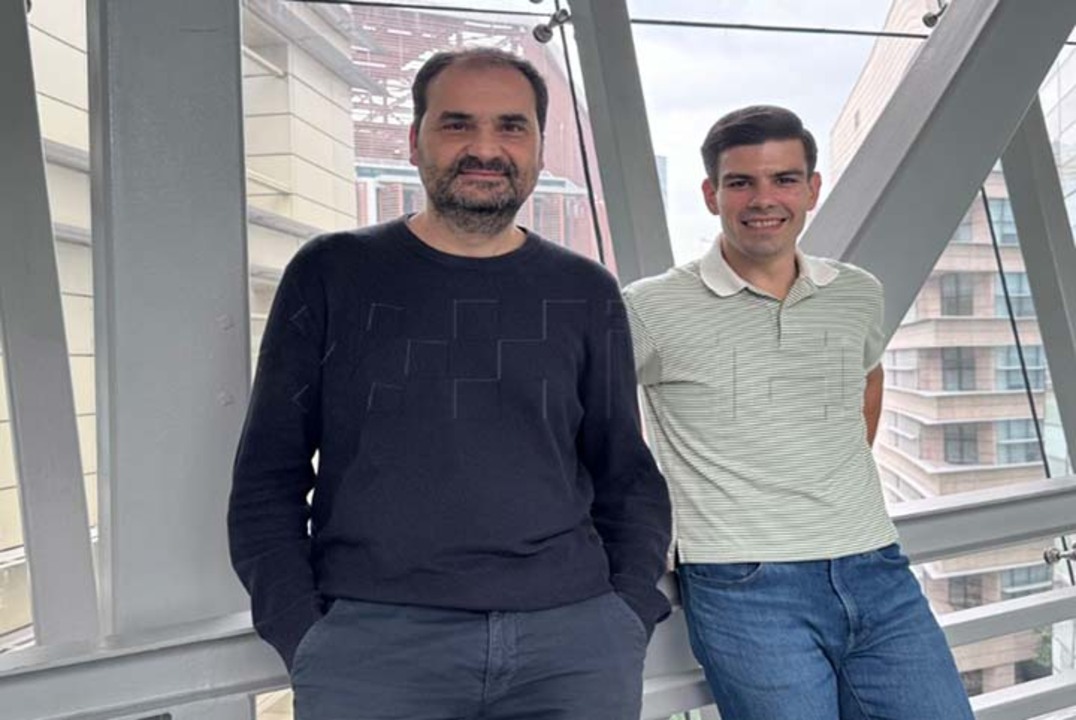
Co-authors of the project include Professor Mile Šikić (GIS, A*STAR Singapore and FER); Dominik Stanojević, a postdoctoral researcher (GIS, A*STAR Singapore and FER); Dehui Lin, a PhD student (Nanyang Technological University, Singapore); Sergey Nurk, chief bioinformatician at Oxford Nanopore Technologies; and Paola Florez de Sessions, deputy director at Oxford Nanopore Technologies.
Šikić is a professor at FER and a group leader at the Genome Institute of Singapore (GIS), part of A*STAR. His research focuses on computational genomics and artificial intelligence, and he leads a team of more than 15 scientists in Singapore and Croatia.
Stanojević, who completed his studies and PhD in computing at FER, is now a researcher at GIS. His work focuses on applying artificial intelligence in genomics, particularly in genome reconstruction and the detection of epigenetic modifications.