ZAGREB, 15 April (Hina) - The Institute for Personalised Medicine marked its second anniversary, with the director of Zagreb’s Clinical Hospital Centre (KBC Zagreb), Fran Borovečki, highlighting that nearly 2,500 diagnostic tests were performed last year, placing Croatia third in the world after Australia and Israel.
From the outset, the goal was to provide Croatian citizens with access to the most advanced diagnostic tests for molecular tumour profiling, enabling targeted therapies, Borovečki said at the anniversary event.
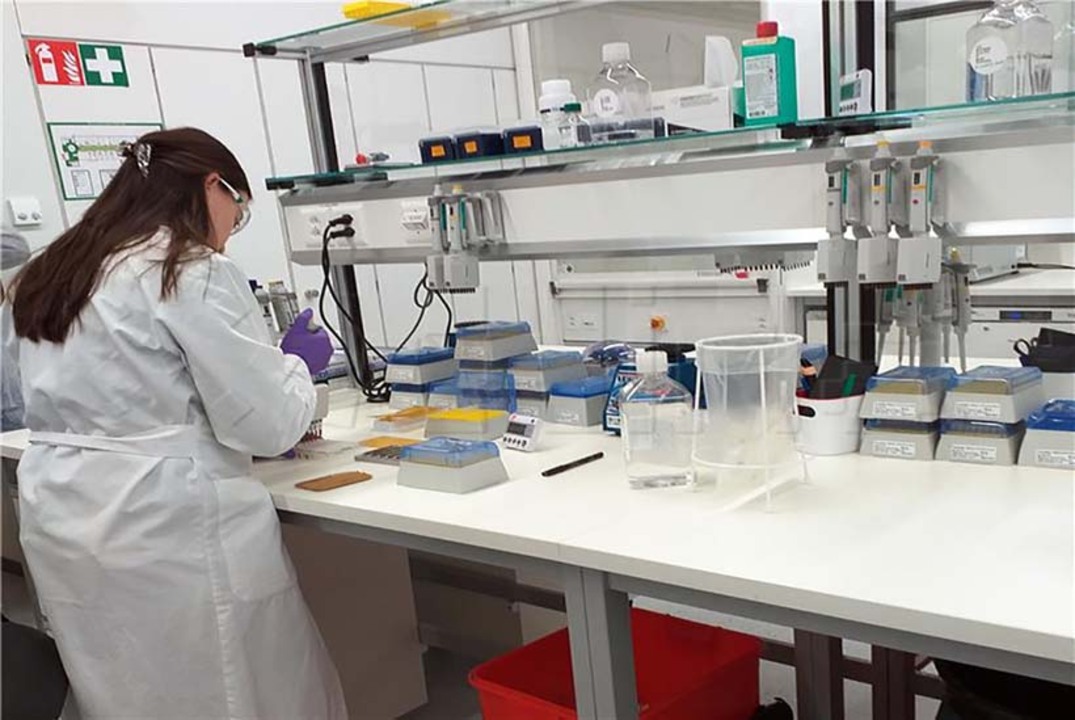
The Institute currently employs 18 doctors, molecular biologists and engineers, who carried out around 2,500 tests last year. This year, Borovečki expects that number to exceed 3,000.
“When it comes to these specific tumour diagnostic tests, we ranked third globally last year, after Australia and Israel. This shows that the initial investment has not only paid off but that the Institute has become a key part of the healthcare system, particularly for oncology patients,” he said.
Dedić Plavetić: Government allocates €10 million annually for testing and treatment
Natalija Dedić Plavetić, head of the Oncology Clinic, thanked the Croatian government for allocating €10 million annually for testing and treatment, enabling access to innovative medicines and the best available therapies.
Snježana Dotlić, head of the Department of Molecular Pathology, Cytogenetics and Immunohistochemistry, stressed that every tumour has a unique biological profile. She said that today, cancers are no longer classified only by the organ of origin but by their specific molecular signature that drives growth and spread.
“This is where personalised medicine shows its greatest value, as it allows patients access to therapies that are often more precise, more effective, and with fewer side effects than conventional chemotherapy,” Dotlić said.
Francis Lepoutre, director of Roche Croatia, a partner of the Institute, said the goal is to support research and development of cutting-edge technologies and innovations in diagnostics and pharmaceuticals.
“These innovations only have a real impact once they reach patients. Roche invests in top-tier infrastructure, but an equally important part of the partnership is ensuring that everything works in practice for patients in Croatia. That depends on healthcare professionals and the system itself. That is why it is crucial that this laboratory is fully owned and managed by the Croatian healthcare system and its experts,” Lepoutre said.
Bubaš: Oncology database should be completed this year
Ministry of Health State Secretary Marija Bubaš said such therapies are turning cancer diagnoses into chronic conditions. She added that nearly 200,000 people in Croatia are living with or have been diagnosed with cancer, while around 27,000 new cases are detected each year.
Borovečki also noted that all Croatian citizens who require this type of tumour profiling can access it at the Institute, which is also open to patients from neighbouring countries.
On treatment outcomes, Dedić Plavetić said analyses are conducted at multiple levels, but there are no uniform conclusions for all patients. The most valuable outcome, she added, is that patients who have been receiving therapy for four or five years are still alive thanks to these treatments.
Bubaš also said that the Croatian oncology database and oncology network are under development and expected to be completed this year, adding that Croatia ranks second in Europe, after Nordic countries, as a desirable place for breast cancer treatment.