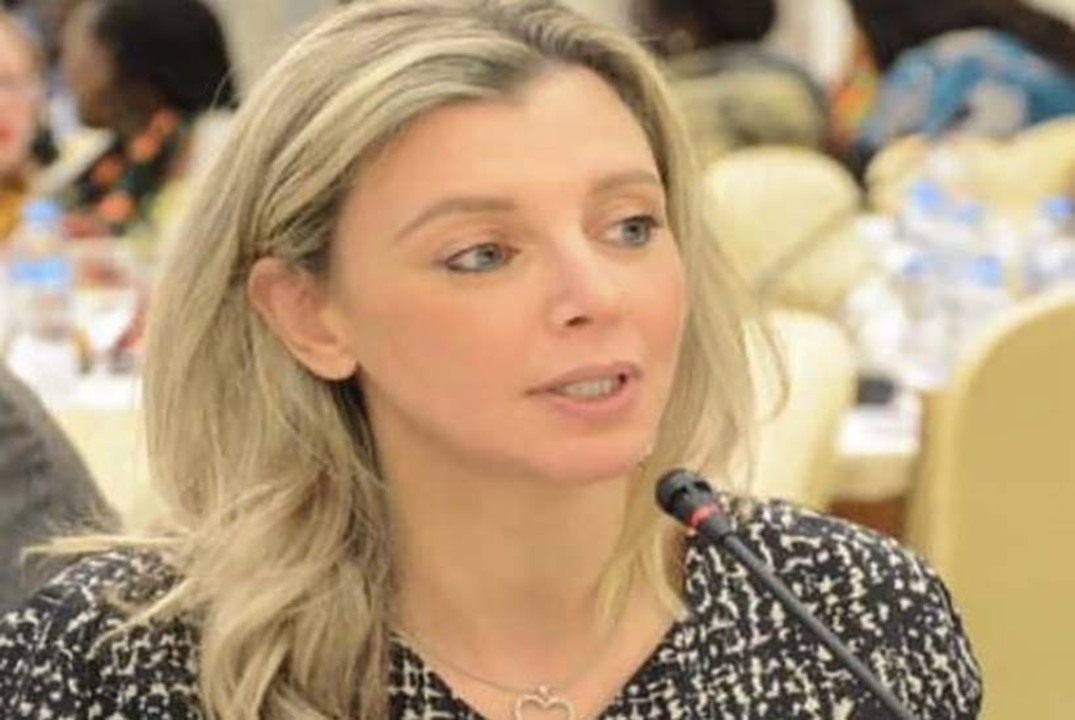
NNA - Following are remarks by Gielan El Messiri, UN Women Representative in Lebanon, at the Palais des Nations in Geneva: "I am joining you today from Beirut, where I will brief on what this latest escalation in Lebanon means for women and girls.
Understanding how women and girls are experiencing this conflict is essential to understanding the full humanitarian impact of this crisis.
Since 2 March, an estimated 620,000 women and girls have been forced to flee their homes.
This represents nearly one quarter of all women and girls in Lebanon, and more than half of those displaced – including Lebanese, Syrian, Palestinian, and migrant communities.
This escalation is unfolding in a context where women already faced pre-existing inequalities, including limited access to income, unequal legal protections, and reduced access to services.
Today, these vulnerabilities are being compounded by displacement, loss of livelihoods, and weakened support systems.
I have met women and girls forced to make devastating choices – fleeing their homes at night without clear destination, losing their families’ livelihoods, and leaving behind their sense of safety, and everything that is familiar.
Eighty-five per cent of displaced women and girls are living outside formal shelters. They are staying in overcrowded apartments and informal arrangements, with Beirut and Mount Lebanon hosting the largest numbers.
These are not just difficult conditions – they are creating serious protection risks, including exploitation, abuse, and gender-based violence.
As essential protection and justice services are disrupted, women and girls are finding it harder to report violations and to seek protection.
Women tell me they are skipping meals so their children can eat. Older women, already vulnerable, are going without essential medication for chronic illnesses, putting their lives at risk.
We are also seeing limited hygiene supplies, and pregnant women giving birth in shelters with limited access to care.
Mental health needs are rising rapidly. Women describe constant fear, sleeplessness, and exhaustion – while also comforting frightened children.
And yet, as in all crises, women in Lebanon are among the hardest hit and at the frontlines of the response.
They are caring for displaced families, organizing support, delivering assistance, and helping to prevent tensions from escalating – often while displaced themselves.
UN Women is working in major displacement hubs across Lebanon – scaling up lifesaving protection, cash-for-work, and livelihood support for women and girls, strengthening coordination to ensure the response is gender-responsive, and amplifying women’s role in decision-making.
UN Women echoes the Secretary-General’s call for immediate de-escalation, full respect for international humanitarian law, and an urgent scale-up of gender-responsive humanitarian assistance to meet the needs of women and girls.
Thank you."