ZAGREB, 26 Feb (Hina) - A research team led by scientists from the Ruđer Bošković Institute (IRB) is developing a new generation of protective textiles with innovative coatings that provide fire resistance, antimicrobial protection against bacteria and fungi, and enhanced UV protection, the IRB said.
The research, done as part of the SAFEGUARD project (Secure, Antibacterial, Flame-retardant, Enhanced Guard Apparel for Resilient Defense), is funded by NATO's Science for Peace and Security (SPS) Programme. With a budget of €309,700 -- of which 45% has been allocated to the IRB -- it aims to create safe, high-performance materials for defence personnel, emergency services, healthcare workers, and civilian outdoor use.
Current protective textiles often lose effectiveness after prolonged exposure to fire, UV radiation, moisture, and repeated washing. Fire and UV resistance may be insufficient, while damp fabrics can promote microbial growth. Protective coatings can degrade over time, and some chemical treatments pose health and environmental risks.
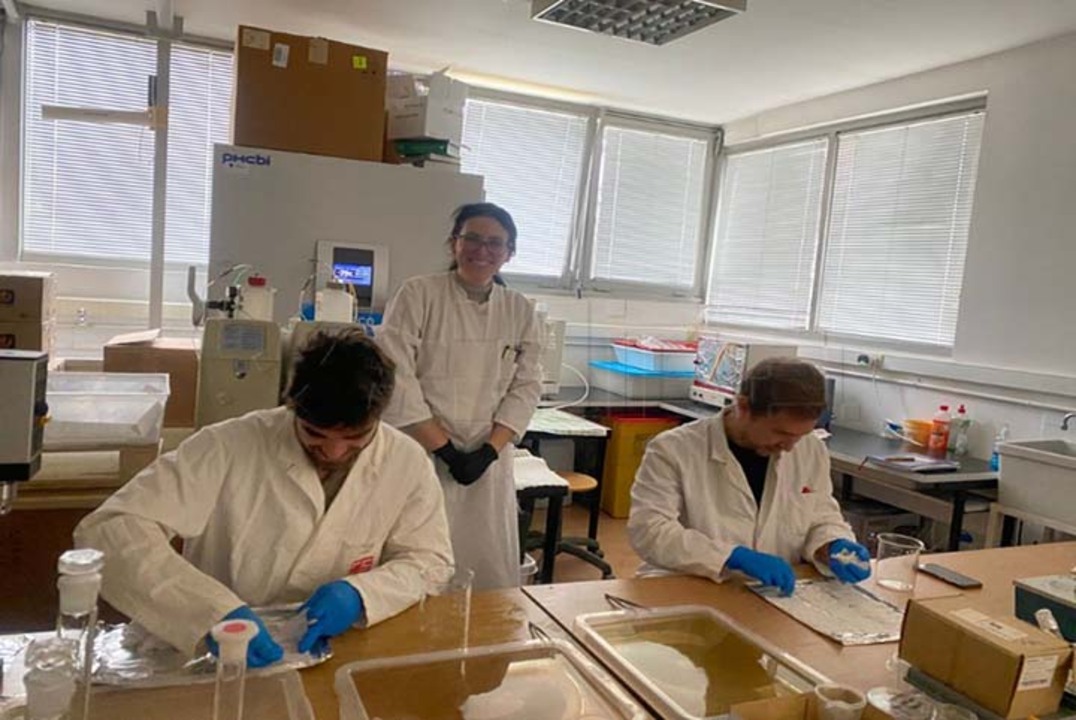
The multidisciplinary team from Croatia, Austria and Switzerland is led by Nives Matijaković Mlinarić of the IRB's Laboratory for Precipitation Processes. IRB researchers are developing the protective coating; antimicrobial performance is tested in Switzerland, and skin-contact safety is evaluated at the University of Graz in Austria.
Since 2024, the IRB has secured nine SPS-funded projects worth about €1.3 million, covering chemical and environmental security, biosafety, and border and port security -- all for peaceful, preventive, and protective purposes.